


07 Sep What Is an Everyday Bag and How Do You Choose the Right One?
An everyday bag is one of those simple items that can make daily life easier. You may use it to carry your wallet, phone, keys, water bottle, headphones, laptop, notebook, charger, or other personal items. The right everyday bag can help you stay organized without adding unnecessary weight or making your routine more difficult.
In 2026, the idea of an everyday bag has become broader than a basic purse or backpack. People now choose bags based on how they commute, work, study, travel, shop, exercise, and spend free time. A commuter may need a laptop backpack, while someone who travels light may prefer a small crossbody bag or sling. Someone who carries many items may prefer a tote or roomy shoulder bag.
Current fashion coverage also shows that everyday bags are moving between practical design and personal style. Recent 2026 coverage highlights carryalls, commuter totes, shoulder bags, woven bags, flat totes, east-west totes, pouches, and updated classic shapes.
This guide explains what an everyday bag is, how to choose one, which styles work best for different needs, what materials and features matter, how much to carry, and how to use a daily bag safely.
What Is an Everyday Bag?
An everyday bag is a bag designed to carry the items you regularly need during normal daily activities.
Unlike a special-purpose bag made only for hiking, formal events, business travel, or sports, an everyday bag is meant to work across common situations. It may be used for commuting, shopping, school, errands, coffee trips, casual outings, or a normal day at work.
A simple definition is:
An everyday bag is a practical daily-use bag that holds your essential personal items while matching your normal routine.
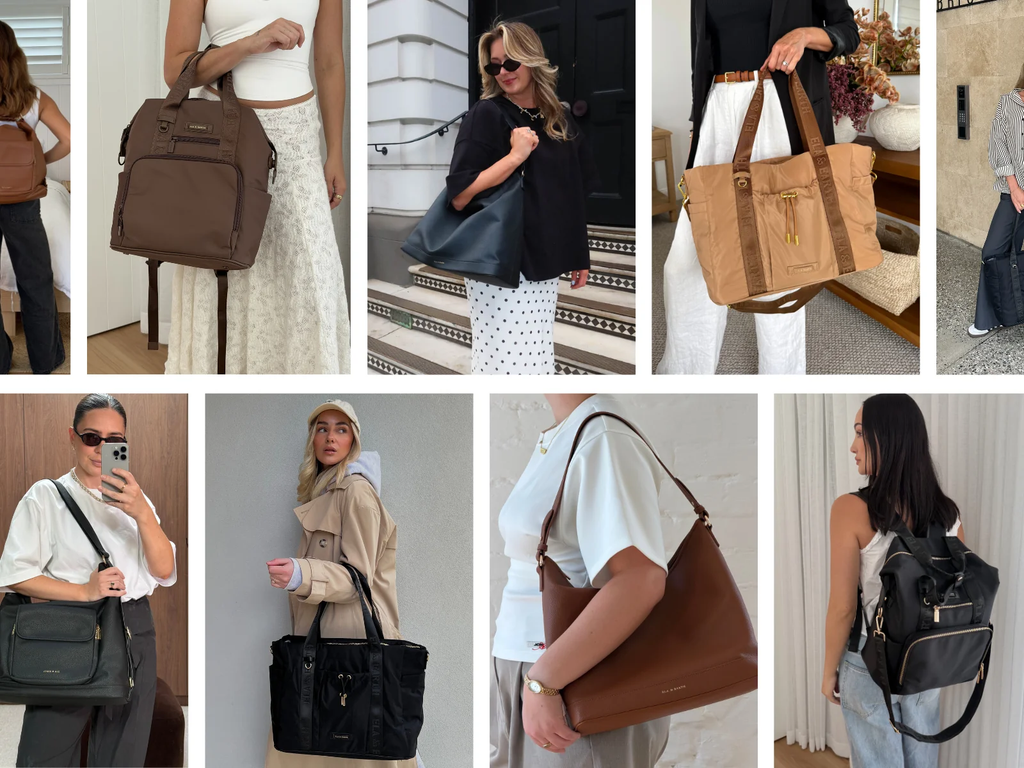
An everyday bag can take many forms. Common examples include:
- Tote bags
- Crossbody bags
- Shoulder bags
- Backpacks
- Sling bags
- Messenger bags
- Satchels
- Hobo bags
- Small handbags
- Convertible bags
There is no single bag that is right for everyone. The best everyday bag is the one that fits your actual daily activities, the amount you carry, and the way you move through your day.
The North Face similarly describes everyday carry bags as backpacks, shoulder bags, or pouches that hold regular essentials such as keys, wallets, personal items, chargers, water bottles, and other daily gear.
Why Is an Everyday Bag Important?
A good everyday bag does more than hold belongings. It can improve organization, convenience, comfort, and access.
For many people, the bag becomes a portable personal storage system. Instead of searching through different pockets or carrying loose items, everything important can have a regular place.
An everyday bag can help you:
- Keep essential items together
- Reduce clutter in your pockets
- Carry technology safely
- Bring water or snacks
- Organize work or school supplies
- Keep personal items accessible
- Move between different activities
- Avoid carrying several small bags
There is also a practical psychological benefit. When frequently used items have a consistent place, it can become easier to leave home without forgetting something important.
However, bigger is not always better. An oversized bag can encourage you to carry unnecessary items. A smaller bag may be more useful if your routine only requires a phone, wallet, keys, sunglasses, and a few personal essentials.
Also Read: How Do You Choose the Perfect Pink Wallet for Women?
The goal is not to carry everything.
The goal is to carry what you actually use.
What Should You Carry in an Everyday Bag?
The contents of an everyday bag depend on your lifestyle, but most people can start with a small group of essentials.
A basic everyday carry may include:
- Phone
- Wallet
- Keys
- Sunglasses
- Water bottle
- Hand sanitizer
- Tissues
- Small personal-care items
- Charging cable
- Portable charger
- Earbuds or headphones
- Pen
- Small notebook
A work-focused everyday bag may also include:
- Laptop
- Tablet
- Laptop charger
- Notebook
- Documents
- Mouse
- Work badge
- Lunch container
A student may need:
- Books
- Laptop or tablet
- Charger
- Pens
- Notebook
- Water bottle
- Small personal items
The important point is to avoid filling a bag simply because there is available space.
A useful approach is to divide items into three groups:
- Items you use almost every day.
- Items you use sometimes.
- Items you rarely use.
The first group belongs in your everyday bag. The second group can be added when needed. The third group may not belong in the bag at all.
This simple system can make an everyday bag lighter and easier to manage.
How to Choose the Best Everyday Bag
Choosing an everyday bag should start with function rather than appearance.
Before buying one, ask yourself five questions:
- What do I carry every day?
- How much space do I actually need?
- How do I normally travel?
- How long will I carry the bag each day?
- Do I need special protection for electronics or other fragile items?
These questions are more useful than choosing a bag simply because it looks attractive online.
Think About Your Daily Routine
Your routine should determine the type of everyday bag you choose.
If you walk a lot, a backpack or comfortable crossbody may be useful.
If you use public transportation, a secure crossbody or backpack may make more sense than an open tote.
If you work from home but regularly visit cafés or coworking spaces, a medium tote or compact backpack may be enough.
If you drive most places and only need a few personal items, a small shoulder bag or crossbody may be more practical.
If you carry a laptop, the bag should be designed for its size and weight.
Choose the Right Size
Bag size is one of the most important decisions.
A small everyday bag works well for light carry. A medium bag is usually more flexible. A large bag can be useful for work, school, shopping, or family needs but may become heavy.
Instead of asking, “What is the biggest bag I can buy?” ask, “What is the smallest bag that comfortably holds everything I need?”
This approach can prevent overpacking.
Check the Weight
The empty weight of the bag matters.
Two bags can have the same capacity but feel very different when carried. Heavy hardware, thick leather, large metal components, or reinforced construction can add weight before you put anything inside.
If you already carry a laptop, water bottle, charger, and other equipment, a lightweight bag may be more comfortable.
Look at the Straps
Straps affect comfort more than many people expect.
Look for:
- Adjustable straps
- Comfortable shoulder padding when appropriate
- Strong attachment points
- Suitable strap width
- Secure hardware
- A length that fits your body
A strap that constantly slips from your shoulder can become frustrating.
For a backpack, shoulder straps should feel balanced. For a crossbody bag, the strap should allow the bag to sit comfortably without pressing heavily against your neck.
Everyday Tote Bag: Best for Flexible Carrying
The tote bag remains one of the most useful everyday bag styles because of its simple design.
A typical tote has a large main compartment and two handles. Some modern totes add zippers, internal pockets, laptop sleeves, reinforced bases, or removable shoulder straps.
Totes work well for:
- Work
- College
- Shopping
- Errands
- Travel
- Library visits
- Casual daily use
The main advantage of a tote is easy access. You can often reach inside quickly without opening multiple compartments.
The main disadvantage is that an open tote can make organization difficult. Small items may move to the bottom, and an unsecured opening can be less suitable for crowded environments.
Modern tote designs are also becoming more varied. Current 2026 coverage highlights both practical carryalls and new tote proportions, including flat and horizontally oriented designs.
Everyday Crossbody Bag: Best for Hands-Free Carrying
A crossbody bag has a long strap that runs across the body.
It is popular for everyday use because it keeps the hands free. This is useful when shopping, walking, traveling, commuting, or carrying another item.
A crossbody bag is often a good choice when you want:
- Compact storage
- Easy access
- Hands-free movement
- A bag that stays close to the body
- A lighter daily load
A crossbody is especially useful when you do not need to carry a laptop or many large items.
For crowded places, keeping the bag positioned toward the front of your body can also make it easier to monitor.
Everyday Backpack: Best for Balanced Carrying
An everyday backpack is a practical option for people who carry heavier or larger loads.
Backpacks distribute weight across both shoulders, which can make them more comfortable than a single-shoulder bag when carrying technology, books, or other equipment.
A good everyday backpack may include:
- Laptop compartment
- Tablet sleeve
- Water bottle pocket
- Zippered compartments
- Small accessory pockets
- Padded shoulder straps
- Padded back panel
- Carry handle
Backpacks are especially useful for commuters and students.
However, a large backpack can encourage overpacking. More capacity does not automatically mean better design.
Everyday Sling Bag: Best for Minimal Carrying
A sling bag is smaller than most backpacks and many traditional shoulder bags.
It is designed for people who want to carry only the essentials.
A typical sling might hold:
- Phone
- Wallet
- Keys
- Earbuds
- Sunglasses
- Small charger
- Other compact items
Sling bags are useful for walking around a city, running quick errands, attending events, or traveling when you want to keep your load small.
They are less suitable for laptops, large notebooks, or bulky items.
Everyday Shoulder Bag: A Flexible Middle Ground
A shoulder bag is carried from one shoulder and can range from compact to quite large.
It can work well when you want more space than a small crossbody but do not want a backpack.
Shoulder bags are available in many materials and shapes. Some are soft and casual, while others have structured designs suitable for professional environments.
The key consideration is weight. If the bag becomes heavy, carrying everything on one shoulder for long periods may become uncomfortable.
Everyday Messenger Bag: Useful for Work and School
Messenger bags have a long history of practical use. They normally feature a large flap or zippered compartment and a long shoulder strap.
They can be useful for:
- Laptops
- Documents
- Notebooks
- Chargers
- Work supplies
- School materials
A messenger bag can provide easier access than a backpack, but like a shoulder bag, it places more of the load on one side of the body.
For heavier loads, a backpack may be more comfortable.
Leather vs. Canvas vs. Nylon: Which Material Is Best?
Material affects the appearance, durability, weight, maintenance, and price of an everyday bag.
Leather Everyday Bags
Leather is popular because it can look polished and may develop a distinctive appearance over time.
Potential advantages include:
- Classic appearance
- Strong construction
- Long service life when properly maintained
- Professional look
Potential disadvantages include:
- Higher weight
- Higher price
- Greater care requirements
- Sensitivity to moisture depending on the leather and finish
Leather can be a good choice if appearance and long-term use are priorities.
Canvas Everyday Bags
Canvas is known for its casual appearance and practical construction.
Canvas bags can work well for:
- Shopping
- School
- Errands
- Casual work
- Weekend use
They are often simpler and less formal than leather.
Nylon Everyday Bags
Nylon is widely used in modern bags because it can be lightweight and practical.
Advantages may include:
- Low weight
- Easy maintenance
- Resistance to everyday wear
- Good suitability for backpacks and commuter bags
Technical nylon can also support features such as water resistance, padded compartments, and lightweight construction.
Synthetic Materials
Synthetic materials include materials such as polyester, polyurethane, and other manufactured textiles.
They can offer different combinations of price, durability, appearance, and weather resistance.
The material itself does not determine whether a bag is good. Construction quality matters just as much.
Look at the stitching, seams, zippers, hardware, lining, and strap attachments.
What Features Make an Everyday Bag Better?
A useful everyday bag does not need dozens of features. It needs the right features.
Multiple Compartments
Separate compartments can help keep cables, wallets, keys, and other small objects organized.
Too many compartments, however, can make the bag harder to use.
A simple layout is often better than a complicated one.
Zippered Closure
A zipper can help prevent items from falling out and can offer more security in crowded environments.
Open-top bags are convenient, but they require more attention.
Laptop Protection
If you carry a laptop, look for a dedicated padded compartment rather than placing the computer loosely inside the main compartment.
Check the actual compartment dimensions rather than relying only on labels such as “fits a laptop.”
Water Resistance
Water resistance can be valuable if you walk, cycle, commute, or live in an area with frequent rain.
Remember that water-resistant does not necessarily mean waterproof.
A water-resistant zipper, fabric, or coating may help with light rain but may not protect contents during heavy exposure to water.
Strong Hardware
Zippers, clips, buckles, rings, and strap attachments receive significant stress during daily use.
Examine these areas carefully.
A bag can have attractive fabric but still fail early if its handles or strap attachments are weak.
How Much Should an Everyday Bag Cost?
There is no universal correct price for an everyday bag.
A budget bag can be a good choice if it meets your needs and is well made. A more expensive bag may offer better materials or construction, but a higher price does not automatically guarantee better performance.
Instead of focusing only on the purchase price, consider cost per use.
For example, a bag that costs more but lasts several years may provide better value than a cheap bag that needs replacement every few months.
Think about:
- Materials
- Construction
- Warranty
- Repair options
- Expected lifespan
- Comfort
- Frequency of use
Current U.S. fashion coverage shows a wide range of everyday bags, from affordable shoppers to high-end designer bags. This supports an important point: “everyday” describes how a bag is used, not how expensive it must be.
Everyday Bag Trends in 2026
Fashion changes quickly, but some 2026 bag trends are relevant to everyday use.
Current coverage points to several notable directions.
Flat and East-West Tote Shapes
Traditional tall totes are being joined by flatter, wider shapes. These bags can create a clean visual profile while still providing useful space.
Updated Classic Bags
Classic silhouettes continue to return in updated versions. Instead of completely new shapes, designers are often changing proportions, materials, colors, or details.
This reflects a broader consumer interest in bags that feel familiar but still look current.
Also Read: What Are Leather Laptop Handbags and What Should You Look For?
Soft Pouch Shapes
Soft pouch bags offer a relaxed alternative to highly structured bags. Their flexible shape can be useful for people who prefer a lighter, less formal look.
Practical Carryalls
Large carryalls remain important because modern daily life often involves multiple roles. A single bag may need to work for work, errands, travel, and personal activities.
Fall 2026 fashion coverage also highlights the “all-rounder carryall” and commuter-focused bags as important categories.
Personal Style Is Still Important
The modern everyday bag does not have to look purely functional.
People increasingly want bags that perform a practical job while also fitting their clothing, workplace, and personal style.
Recent reporting on everyday handbags shows editors choosing bags based on a combination of space, versatility, organization, and appearance rather than trend alone.
How to Organize an Everyday Bag
A well-organized bag saves time.
Start by assigning a normal place to important items.
For example:
- Phone: easy-access pocket
- Wallet: secure interior pocket
- Keys: key clip or dedicated pocket
- Charger: small accessory pouch
- Sunglasses: protective case
- Water bottle: upright side pocket
- Laptop: padded sleeve
Try to avoid putting loose small objects into the largest compartment.
A small pouch can group cables, earbuds, medication, personal-care items, or other small objects.
Once a week, remove everything from the bag and clean it out.
You may find receipts, wrappers, old notes, duplicate chargers, or other things you no longer need.
Everyday Bag Safety Tips
An everyday bag carries personal property, and sometimes sensitive information. Basic safety habits can reduce unnecessary risk.
Keep Important Items Secure
Avoid placing your wallet, passport, expensive electronics, or other valuable items in an easily accessible outside pocket when you are in a crowded public environment.
Use the Right Closure
A zipper or secure closure can help reduce accidental loss.
Open bags can still be useful, but you should be more aware of their contents.
Be Careful With Public Wi-Fi and Devices
Your bag may contain phones, tablets, laptops, or USB devices.
The security of these devices matters as much as the physical bag.
Use screen locks, strong passwords, current software, and device tracking where available.
Avoid Carrying Sensitive Documents Unnecessarily
Do not carry original identity documents, financial records, or other sensitive paperwork unless you actually need them.
The less sensitive information you carry, the less information can be lost if your bag disappears.
Everyday Bag Privacy Risks
Privacy is an increasingly important part of everyday carry.
A bag may contain devices that reveal personal information, location data, messages, photos, work documents, or account access.
For example, losing an unlocked phone can create a much bigger problem than losing the phone itself.
Consider these habits:
- Use a strong device passcode.
- Enable biometric security where appropriate.
- Keep operating systems updated.
- Turn on device-location features.
- Avoid storing unnecessary sensitive documents.
- Do not leave laptops unattended in public places.
- Use encrypted storage when appropriate.
- Back up important files.
USB drives also deserve attention. Do not connect unknown USB devices to your computer simply because you find one or someone gives you one.
Digital safety is part of everyday carry because the physical bag and the digital information inside it are connected.
Everyday Bag and Travel Security
An everyday bag can also become a travel bag for short trips.
For domestic U.S. travel, consider a bag that is easy to inspect and organize.
Useful travel features can include:
- Secure zippers
- Easy-access documents pocket
- Water bottle compartment
- Laptop sleeve
- Luggage pass-through
- Lightweight construction
- Comfortable straps
Do not rely on a bag’s appearance as a security feature.
Instead, consider how easy it is to keep the bag close, how quickly you can notice if it has been opened, and whether important items have secure storage.
When traveling, keep important documents and valuable electronics under your control whenever practical.
How to Clean and Maintain an Everyday Bag
Maintenance can extend the life of an everyday bag.
The correct cleaning method depends on the material.
For fabric bags, check the manufacturer’s care instructions before washing.
For leather, avoid soaking the material unless the manufacturer specifically says it is safe. Use products designed for the particular type of leather.
For synthetic materials, a soft cloth and appropriate cleaner may be sufficient.
Also inspect:
- Straps
- Seams
- Zippers
- Bottom panels
- Handles
- Buckles
- Lining
Repairing a small problem early may prevent a larger failure later.
How Often Should You Replace an Everyday Bag?
There is no fixed replacement schedule.
Replace an everyday bag when it no longer safely or comfortably performs its job.
Signs that replacement or repair may be necessary include:
- Broken straps
- Failed zippers
- Torn seams
- Damaged laptop padding
- Severe lining damage
- Uncomfortable weight distribution
- Water protection that has stopped working
- A size that no longer matches your routine
If the bag can be repaired, repair may be better than replacement.
This is particularly relevant for well-constructed bags where the main body remains in good condition.
Everyday Bag vs. Work Bag
An everyday bag and a work bag can be the same thing, but they do not have to be.
A work bag usually focuses on professional needs such as:
- Laptop protection
- Documents
- Chargers
- Office supplies
- Structured organization
An everyday bag may be more flexible and include items for personal life.
For example, someone may use one tote for both work and weekend errands. Another person may prefer a professional laptop backpack for work and a smaller crossbody for personal activities.
There is no need to force one bag to perform every possible job.
Everyday Bag vs. Everyday Carry
The terms sound similar but have slightly different meanings.
An everyday bag refers to the physical bag.
Everyday carry, often shortened to EDC, refers more broadly to the items a person regularly carries.
An EDC setup may include a phone, wallet, keys, flashlight, notebook, charger, or other personal tools.
An everyday bag can be the container for those items.
The concept is useful because it encourages people to think about what they actually need rather than carrying unnecessary objects.
What Is the Best Everyday Bag for Different Lifestyles?
The best everyday bag depends on the person.
For Office Workers
Consider a structured tote, laptop backpack, or professional shoulder bag.
Prioritize laptop protection, organization, comfort, and a professional appearance.
For College Students
A backpack is usually the most flexible choice.
Look for space for books, technology, chargers, and water.
For City Commuters
A secure backpack, crossbody, or messenger bag may work well.
Consider hands-free movement, secure closures, and easy access.
For Minimalists
Choose a compact crossbody or sling.
Keep only essential items inside.
For Parents
A larger tote or convertible carryall can provide flexibility.
Interior organization is especially useful because small items can easily become difficult to find.
For Travelers
Look for a lightweight bag that can work alongside luggage.
A crossbody can work well for small essentials, while a backpack may be better when carrying technology and larger items.
Common Mistakes When Buying an Everyday Bag
Many bag-buying mistakes are easy to avoid.
Buying Based Only on Appearance
A beautiful bag that hurts your shoulder is not a good everyday bag.
Choosing Too Much Capacity
Extra space can encourage unnecessary packing.
Ignoring Weight
A heavy empty bag can become uncomfortable once fully packed.
Not Measuring Electronics
If you carry a laptop, measure it and compare those measurements with the bag’s actual internal dimensions.
Ignoring Closure Design
Think about how secure your belongings need to be.
Buying Without Considering Your Routine
A bag designed for occasional events may not work for eight hours of daily commuting.
How to Build a Simple Everyday Bag System
You do not necessarily need one bag for every situation.
A practical system might include:
- One main everyday bag
- One small crossbody or sling
- One larger work or travel bag
The everyday bag handles normal activities.
The small bag handles light outings.
The larger bag handles days when you need more equipment.
This approach can be more useful than trying to make one enormous bag work for every situation.
Also Read: What Are Novelty Purses and How Do You Choose the Right One?
Frequently Asked Questions About Everyday Bags
1. Can I use the same everyday bag in every season?
Yes. Many people use the same bag throughout the year. However, seasonal needs may change. Winter clothing can require more space, while summer may make lightweight and water-resistant materials more attractive. You may also want a different bag during periods of heavy rain or extreme weather.
2. Should an everyday bag have an outside pocket?
An outside pocket can be useful for items that need quick access, such as transit cards, tissues, or a phone. However, avoid using easily accessible outside pockets for valuable or sensitive items in crowded environments.
3. Is an expensive everyday bag always better?
No. Price alone does not determine quality. A moderately priced bag with strong stitching, good hardware, comfortable straps, and practical organization can be more useful than an expensive bag that does not match your needs.
4. Can one everyday bag replace a purse and backpack?
Sometimes. Convertible bags can switch between different carrying methods and may replace multiple bags for some people. However, people who carry heavy laptops or many books may still find a dedicated backpack more comfortable.
5. What is the best way to test an everyday bag before buying it?
Check the measurements, try the straps at their intended length, place your normal items inside if possible, and walk around with the bag for several minutes. Pay attention to shoulder pressure, access to important items, weight balance, and whether the bag feels too large or too small.
Conclusion: Choosing an Everyday Bag That Actually Works
The best everyday bag is not necessarily the most expensive, most fashionable, or largest bag available.
It is the bag that fits your real life.
For one person, that may be a compact crossbody. For another, it may be a laptop backpack, structured tote, messenger bag, or roomy shoulder bag. The right choice depends on what you carry, how you travel, how long you carry it, and how much organization you need.
In 2026, everyday bags continue to combine practical function with personal style. Current trends show interest in versatile carryalls, commuter designs, updated classics, flat totes, east-west shapes, soft pouches, and other adaptable silhouettes.
But trends should come second.
Start with your routine. Identify your essential items. Choose an appropriate size. Check comfort and construction. Think about security and privacy. Then select a material and style that you will genuinely enjoy using.
A well-chosen everyday bag should make your day simpler, not more complicated.
The most useful bag is ultimately the one you can carry comfortably, organize easily, trust with your belongings, and reach for again tomorrow.