

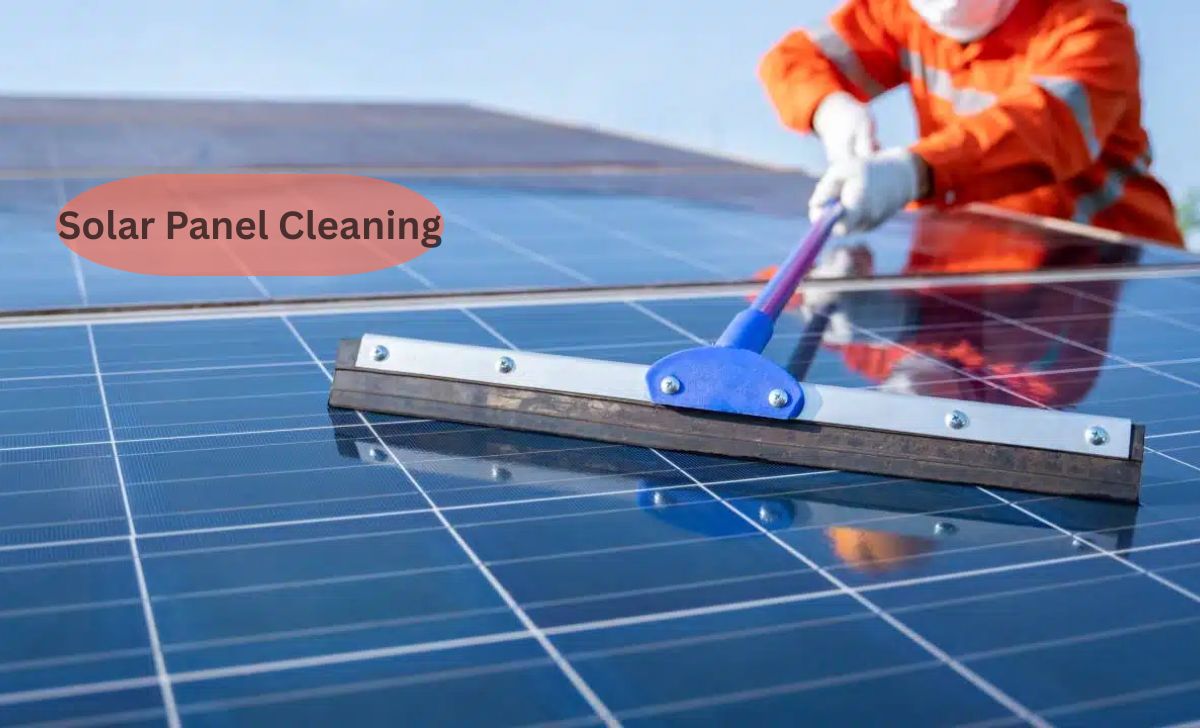
08 Jan Solar Panel Cleaning – The Complete Guide to Boost Efficiency and Lifespan
Solar panel cleaning is an essential yet often ignored part of maintaining a solar energy system. Over time, dust, dirt, bird droppings, and pollution settle on panels, blocking sunlight and reducing power output. Many homeowners assume rain is enough, but that’s rarely true.
Proper cleaning not only improves energy efficiency but also protects your investment. Understanding the right methods, timing, and safety measures ensures your solar panels perform at their best throughout the year.
Solar panel cleaning guide: Learn expert tips, methods, and safety practices to keep your solar panels efficient, dust-free, and long-lasting for maximum energy output.
Why Solar Panel Cleaning Is Important
How Dirt and Debris Reduce Energy Output
Dust and debris form a thin layer on solar panels that blocks sunlight from reaching photovoltaic cells. Even light buildup can reduce energy production by 10–25%. In dusty or polluted areas, losses can be even higher, directly impacting electricity savings and system efficiency.
Long-Term Impact on Panel Lifespan
Ignoring solar panel cleaning can cause long-term damage. Dirt traps moisture, increasing the risk of corrosion and micro-scratches. Over time, this wear reduces panel durability and may void warranties. Regular cleaning helps maintain performance and extends the overall lifespan of the system.
When Should You Clean Solar Panels
Signs Your Solar Panels Need Cleaning
A sudden drop in energy output, visible dirt, bird droppings, or uneven panel coloring are clear signs cleaning is needed. Monitoring apps often show unexplained efficiency drops, which usually indicate surface blockage rather than technical faults.
Best Time of Day and Season for Cleaning
Early morning or late evening is ideal for solar panel cleaning. Panels are cooler, reducing cracking risks from temperature shock. Spring and autumn are generally best, as pollen, dust, and summer grime tend to accumulate during these seasons.
How Often Should Solar Panels Be Cleaned
Cleaning Frequency Based on Location
In urban or dusty regions, cleaning every three to four months is recommended. Rural or low-pollution areas may only need cleaning twice a year. Coastal locations require more frequent care due to salt buildup affecting panel surfaces.
Weather Conditions That Affect Cleaning Needs
Rain helps but does not fully clean panels. Long dry spells, dust storms, heavy pollen seasons, and nearby construction significantly increase cleaning frequency. Snowfall may also leave residue that blocks sunlight after melting.
Safe Methods for Solar Panel Cleaning
Manual Cleaning Using Soft Brushes
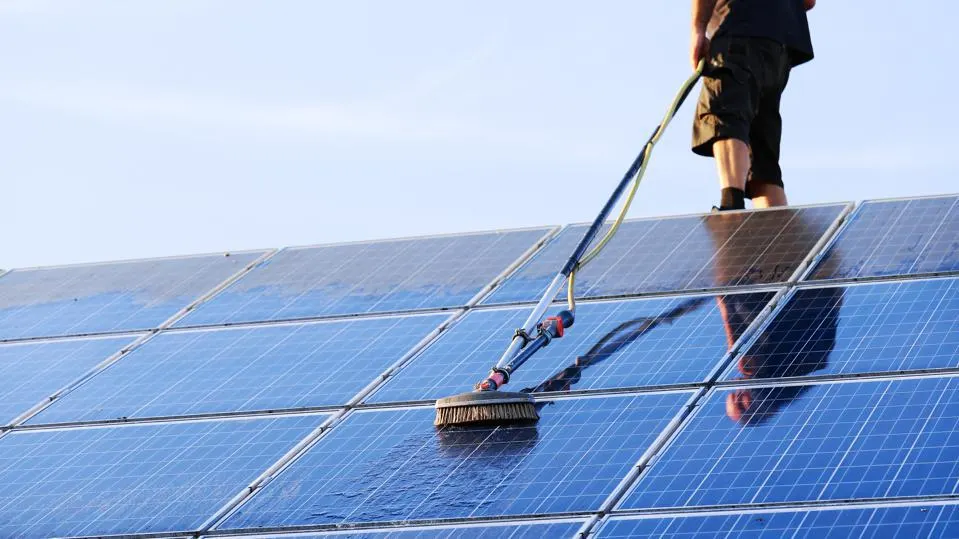
Using a soft brush or sponge with clean water is the safest DIY method. Gentle strokes remove dirt without scratching the glass. Avoid abrasive tools, pressure washers, or harsh detergents that may damage protective coatings.
Soap-Free and Eco-Friendly Cleaning Options
Deionized or distilled water is ideal for solar panel cleaning. It prevents mineral streaks and residue. Eco-friendly methods protect both panel surfaces and the environment while maintaining optimal performance.
Tools and Equipment for Solar Panel Cleaning
- Soft-Bristle Brushes: Long-handled, soft-bristle brushes are ideal for scrubbing solar panels gently without scratching the surface, allowing safe and effective removal of dirt, dust, and bird droppings.
- Hose with Spray Nozzle: A hose with an adjustable spray nozzle provides a controlled water flow to rinse panels thoroughly, preventing residue and ensuring even cleaning across the entire surface.
- Buckets: Use buckets to mix water with mild, biodegradable soap for manual cleaning. They help control the solution and prevent overuse of cleaning agents.
- Mild Detergent or Soap-Free Cleaner: Gentle, eco-friendly cleaning solutions remove grime effectively without damaging solar cells or leaving residues that could affect efficiency.
- Squeegees and Sponges: Plastic-blade squeegees and specialized sponges help remove water and stubborn dirt from panels, ensuring streak-free, spotless, and high-performing solar surfaces.
Professional Solar Panel Cleaning Services
When to Hire a Professional Cleaner
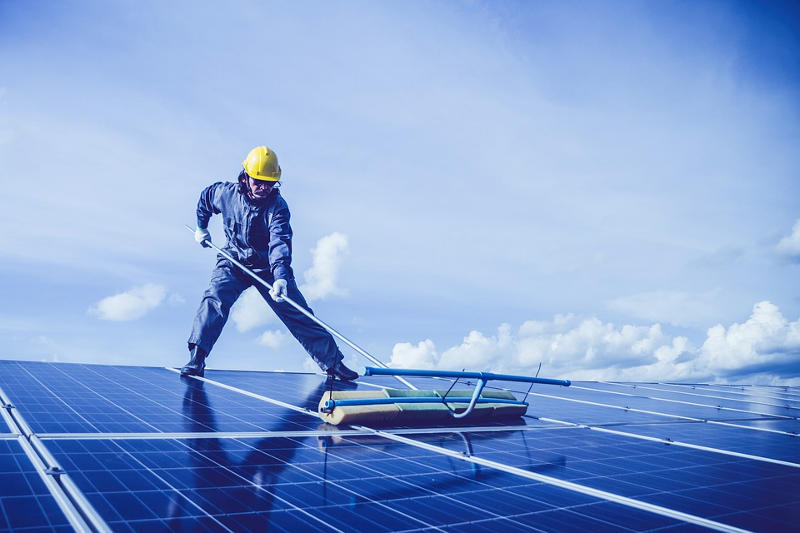
Professional services are recommended for high rooftops, large systems, or when safety is a concern. Experts follow manufacturer guidelines, ensuring panels are cleaned without voiding warranties or causing accidental damage.
Cost of Professional Solar Panel Cleaning
Costs vary by location and system size but are usually affordable compared to energy losses from dirty panels. Many services offer annual maintenance plans that improve long-term savings and system reliability.
Automated and Robotic Solar Panel Cleaning Systems
How Robotic Cleaners Work
Robotic cleaners move across panel surfaces using sensors and soft rotating brushes. They remove dust efficiently without water, making them ideal for large solar farms or water-scarce regions.
Are Automated Cleaning Systems Worth It
For residential users, robots may be costly. However, for commercial installations, automated solar panel cleaning reduces labor costs, improves efficiency, and ensures consistent maintenance with minimal human intervention.
Safety Tips for Cleaning Solar Panels
Roof Safety and Personal Protection
Always prioritize safety by using harnesses, non-slip shoes, and stable ladders. If unsure, avoid climbing roofs altogether. Safety risks outweigh the benefits of DIY cleaning in difficult conditions.
Common Mistakes to Avoid
Avoid cleaning hot panels, using harsh chemicals, or applying high-pressure water. These mistakes can crack glass, damage seals, and reduce efficiency, leading to expensive repairs or replacements.
Cleaning Solar Panels in Special Conditions
How to Clean Solar Panels After Snow
Use soft tools to remove snow gently. Never scrape ice directly. Allow partial melting, then clean residue with lukewarm water to restore sunlight absorption without damaging the glass surface.
Dealing With Bird Droppings and Heavy Dust
Bird droppings harden quickly and block sunlight. Prompt cleaning prevents permanent stains. In dusty areas, frequent light cleaning is more effective than infrequent deep cleaning sessions.
Monitoring Solar Panel Performance After Cleaning
Tracking Efficiency Improvements
After cleaning, monitor energy output for noticeable improvements. Many users experience immediate gains, confirming that solar panel cleaning directly enhances system performance and electricity savings.
Using Monitoring Systems for Maintenance
Smart monitoring apps help identify performance drops early. Regular data tracking allows timely cleaning and maintenance, ensuring panels operate at peak efficiency year-round.
Future Trends in Solar Panel Cleaning
Solar panel maintenance is evolving rapidly with technological advances and environmental considerations. Future cleaning methods aim to improve efficiency, reduce costs, and minimize water usage. Innovative solutions promise higher energy output and longer panel lifespan, supporting the growing global adoption of solar energy.
Robotic Cleaning Systems
Robotic cleaners are becoming more prevalent, automating the cleaning process for large solar farms. These systems save labor costs, operate with precision, and maintain panels regularly without human intervention, ensuring maximum efficiency while reducing downtime and maintenance errors.
Waterless Cleaning Technologies
Water scarcity drives innovations in waterless cleaning solutions. Technologies using brushes, air blowers, or electrostatic systems reduce or eliminate water use, providing environmentally friendly options. These methods lower operational costs while preventing water wastage, especially in arid regions with high solar potential.
Smart Monitoring and Predictive Maintenance
IoT-enabled sensors track panel cleanliness, detecting dirt accumulation and performance dips. Predictive maintenance algorithms notify operators of cleaning needs before efficiency drops. This proactive approach enhances energy yield, optimizes maintenance schedules, and extends the lifespan of solar panels.
Eco-Friendly Cleaning Agents
Chemical-free or biodegradable cleaning agents are gaining popularity. These eco-friendly solutions prevent damage to panels and reduce environmental impact, offering safe alternatives to harsh chemicals. They support sustainable solar energy practices and align with green energy initiatives worldwide.
FAQ
1: How often should I clean my solar panels?
Most panels require cleaning twice a year, but frequency depends on local dust, weather, and rainfall. Monitor efficiency drops to determine if more frequent cleaning is needed.
2: Can I clean solar panels myself?
Yes, with proper tools like long-handled soft-bristle brushes and eco-friendly soap. Ensure safety by avoiding roof climbing or using professional services for large or high installations.
3: Are professional solar panel cleaning services worth it?
Professional cleaning ensures thorough, safe maintenance, especially after storms or for large systems. Costs range from $100 to $300, depending on size and location.
4: What cleaning products are safe for solar panels?
Use mild, biodegradable soaps or soap-free brushes. Avoid abrasive chemicals, bleach, ammonia-based cleaners, or high-pressure washers that can damage panel surfaces.
5: Can automated systems clean solar panels?
Yes, robotic cleaners, sprinkler systems, or waterless vibration technology can autonomously clean panels. They reduce manual labor but may involve high initial investment and maintenance.
Conclusion
Solar panel cleaning is a simple yet powerful way to protect your solar investment. Regular maintenance improves energy output, extends panel lifespan, and ensures consistent savings. Whether you choose DIY methods or professional services, keeping panels clean maximizes efficiency, safety, and long-term performance in all environments.