

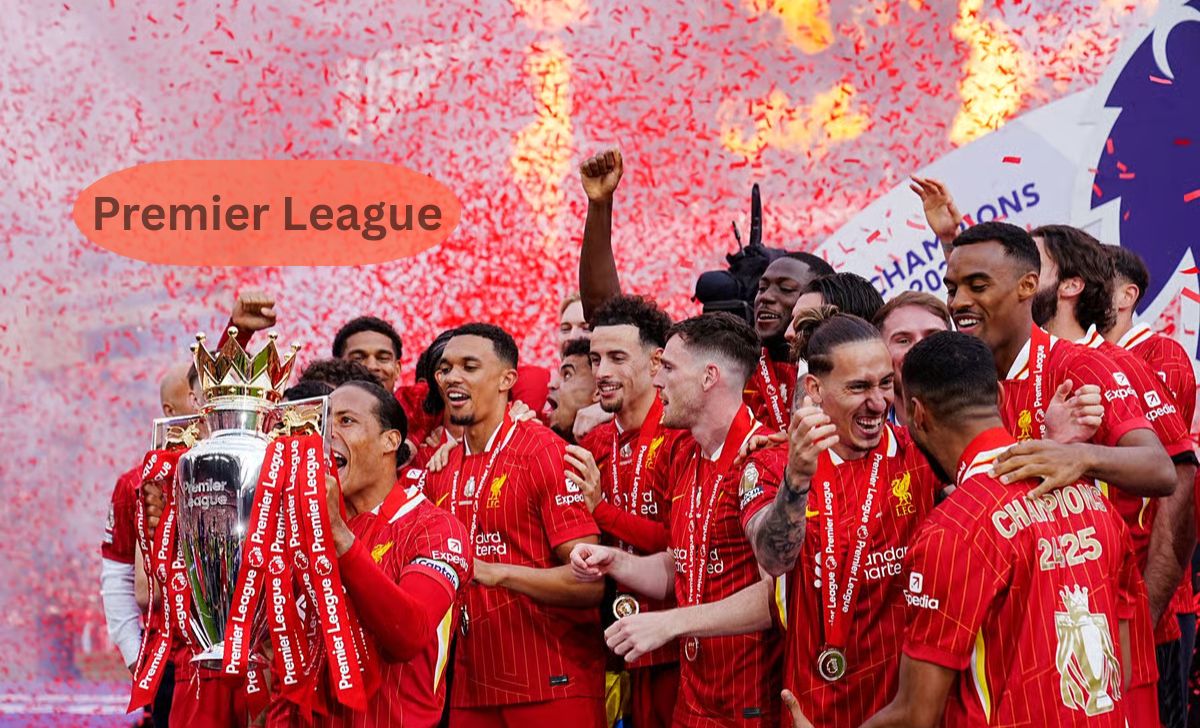
08 Dec Premier League – History, Teams, Structure & Why It’s the World’s Most Popular Football League
The Premier League stands as one of the most influential and competitive football leagues across the globe. Fans admire it for its intense matches, star players, and unpredictable outcomes that keep every season thrilling.
Whether you’re new to the league or a long-time supporter, understanding its structure, teams, and global impact makes following it even more exciting.
This article breaks down everything you need to know about the Premier League in a clear, structured, and easy-to-read format.
The Premier League delivers unmatched football excitement, iconic rivalries, world-class players, and nonstop drama. Discover its history, structure, clubs, and rising stars in this complete guide.
What Makes the Premier League So Popular?
The Premier League’s global popularity comes from its competitive nature, world-class players, and high entertainment value. Each season delivers unpredictable results, making every match feel important for fans.
With powerful clubs, massive stadiums, and international broadcasting, the league connects millions worldwide. Physical gameplay, fast-paced action, and dramatic rivalries further elevate its appeal.
The Premier League also invests heavily in fan engagement, making it accessible across continents. Overall, it combines sport, drama, and spectacle at a level few leagues can match.
History and Evolution of the Premier League
The Premier League began in 1992 after English football clubs agreed to create a new division with improved financial and broadcasting opportunities. Over the years, it evolved into a global sports powerhouse attracting elite players and managers.
Modern training systems, advanced technology, and huge television deals transformed it into a multi-billion-dollar industry. Clubs improved infrastructure, academy programs, and fan experiences along the way.
The league also expanded internationally with global fan bases and worldwide coverage. Its evolution reflects both sporting excellence and business growth.
Premier League’s Unique Competition Format
- Features 20 clubs competing in a season from August to May.
- Every team plays 38 matches: one home and one away against each opponent.
- A win awards 3 points, a draw 1 point, and no points for a loss.
- League standings depend on total points and goal difference.
- The bottom three teams face relegation to the Championship.
- Top clubs qualify for UEFA competitions like the Champions League.
- The format ensures equal opportunities and balanced competition.
Major Clubs That Shape the Premier League
The Premier League is home to legendary clubs like Manchester United, Liverpool, Chelsea, Arsenal, and Manchester City, each contributing to the league’s identity. These teams built global fan bases through historic victories, superstar players, and memorable rivalries.
Their success stories attract millions of spectators worldwide, boosting the league’s prestige. Smaller clubs also play crucial roles by challenging giants and creating shocking upsets.
Every club carries unique traditions, colors, and fan culture that enhance the league’s diversity. Together, they form the league’s dynamic ecosystem.
Star Players Defining the Premier League
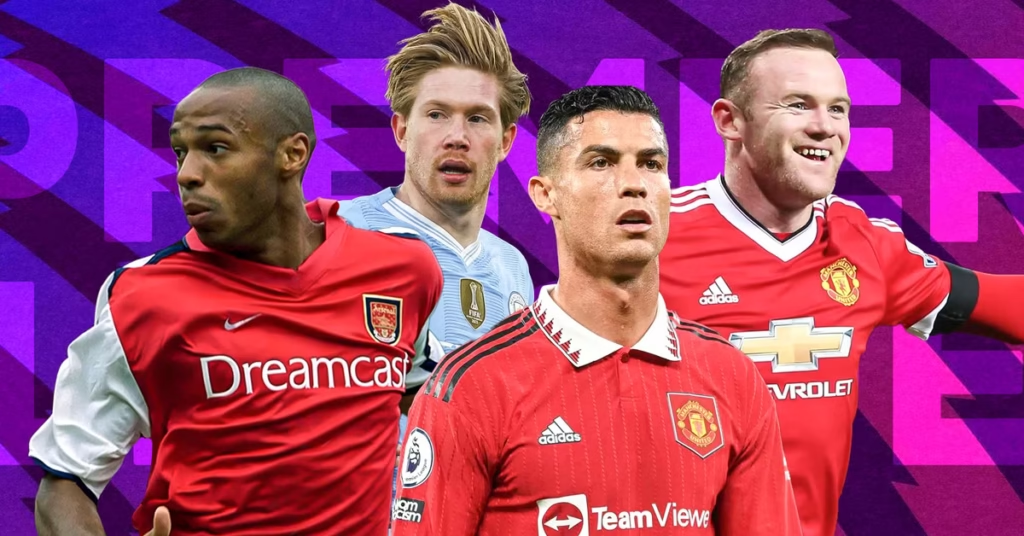
The Premier League hosts some of the world’s most talented footballers recognized for their skill, speed, and creativity. Players like Erling Haaland, Mohamed Salah, Kevin De Bruyne, and Bukayo Saka captivate audiences week after week.
Their performances not only influence match results but also inspire young athletes globally. Many star players move from top European leagues to the Premier League due to its competitive nature.
Their contributions elevate the league’s quality and entertainment factor. Fans eagerly follow their journeys across seasons.
Premier League Rivalries That Capture the World
- Manchester United vs. Manchester City (The Manchester Derby)
- Liverpool vs. Manchester United (Historic rivalry)
- Arsenal vs. Tottenham (North London Derby)
- Chelsea vs. Arsenal (London rivalry)
- Liverpool vs. Everton (Merseyside Derby)
- These rivalries bring passion, tension, and unforgettable moments.
- They shape club identities and fan traditions across generations.
The Role of Managers and Coaching Styles
Managers in the Premier League significantly influence club success with strategies, tactics, and player development. Renowned coaches like Pep Guardiola, Jürgen Klopp, and Mikel Arteta introduced modern football styles that changed the league’s landscape.
Their unique philosophies from high-pressing systems to possession-based play push players to maximize performance. Managers also navigate injuries, transfers, and tough schedules throughout the season.
Their leadership often becomes as iconic as the clubs themselves. With constant innovation, they keep the Premier League exciting.
Financial Power and Global Influence of the Premier League
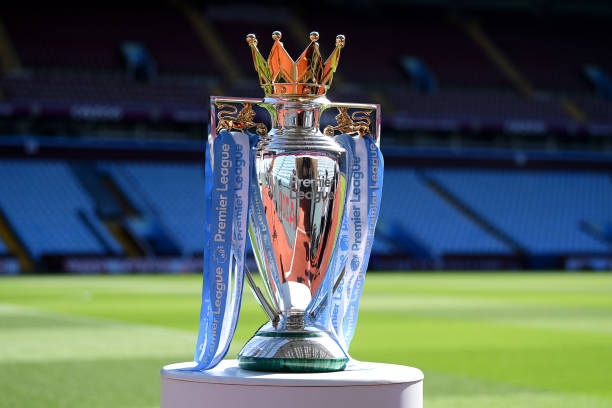
The Premier League generates massive revenue through sponsorships, broadcasting rights, merchandise, and ticket sales. International brands partner with clubs to reach millions of viewers worldwide.
This financial power allows teams to sign top players, upgrade stadiums, and build strong youth academies. The league’s global influence extends to social media, digital platforms, and international tours.
Millions engage with content daily, strengthening the league’s presence across continents. Economic impact also boosts tourism and local businesses in the UK.
How Technology Is Transforming the Premier League
- VAR (Video Assistant Referee) improves decision-making.
- Goal-line technology ensures accurate scoring calls.
- Advanced analytics help coaches design strategies.
- Wearable devices track player fitness in real-time.
- Smart stadiums enhance fan experiences.
- Broadcasting tech makes matches clearer and more engaging.
- Digital platforms offer highlights and match data instantly.
What the Future Holds for the Premier League
The Premier League’s future looks strong with advancements in technology, global expansion, and rising young talent. Clubs are investing in sustainable stadiums, smarter training methods, and international academies.
More nations are embracing Premier League fandom, increasing its worldwide footprint. Innovations like AI analytics and virtual fan experiences may soon transform matchdays.
As football grows more competitive, the league will continue attracting big names and new sponsors. The Premier League is set to remain dominant for years to come.
FAQs
1. What makes the Premier League different from other football leagues?
The Premier League stands out for its unpredictable results, strong competition, global fan base, and world-class players who bring unmatched excitement.
2. How many teams compete in the Premier League each season?
A total of 20 teams compete, each playing 38 matches that determine league standings based on a points system.
3. Why do international players prefer joining the Premier League?
Players choose it for its competitive environment, financial benefits, global exposure, and world-class clubs with strong facilities.
4. What is relegation in the Premier League?
Relegation means the bottom three teams drop to the Championship, replaced by three promoted clubs the next season.
5. Can Premier League teams compete in European tournaments?
Yes, top Premier League clubs qualify for prestigious UEFA competitions like the Champions League and Europa League.
Conclusion
The Premier League continues to shine as the most thrilling and competitive football league in the world. From powerful clubs to talented players and intense rivalries, it offers a unique experience for fans everywhere. With evolving technology, strong financial support, and global appeal, its future remains brighter than ever. The Premier League truly sets the standard for modern football.
Read More