

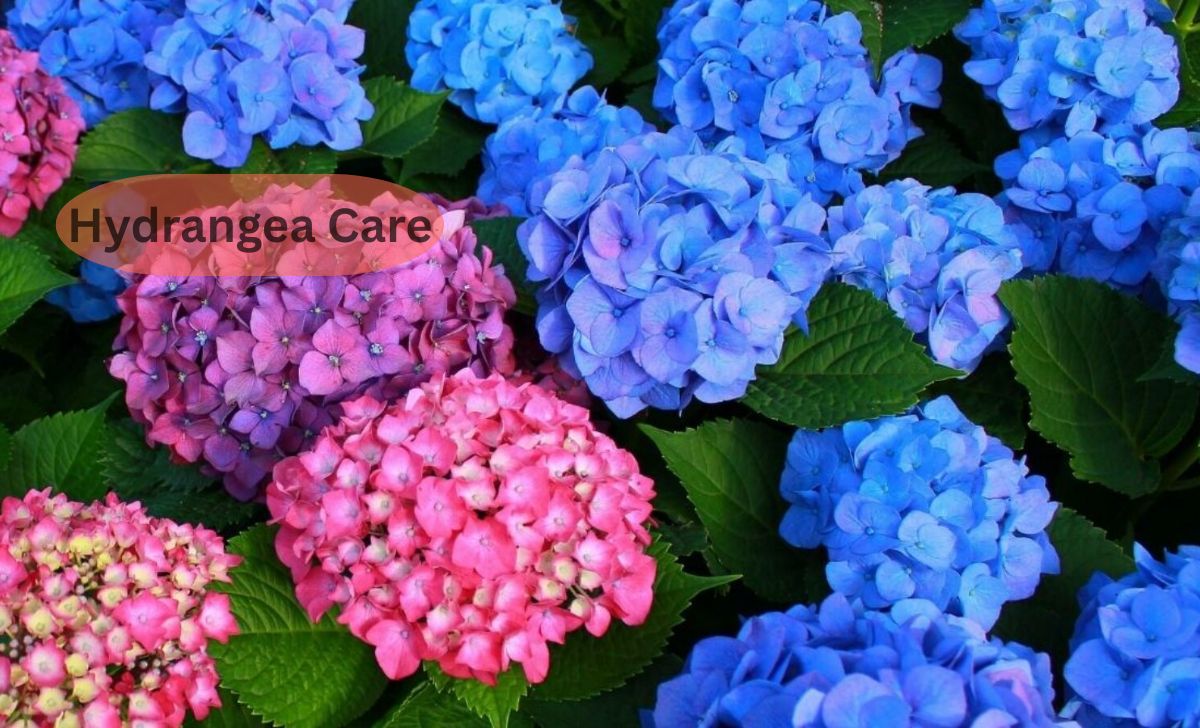
08 Jan Hydrangea Care – Ultimate Guide for Thriving, Beautiful Blooms
Hydrangeas are beloved for their vibrant, show-stopping blooms and lush foliage, making them a favorite in gardens and landscapes. However, thriving hydrangeas require proper care, including the right soil, watering, sunlight, and seasonal maintenance.
Understanding the essentials of hydrangea care ensures healthy growth, long-lasting flowers, and a stunning display throughout the year. This comprehensive guide will walk you through everything you need to know to keep your hydrangeas flourishing beautifully.
Hydrangea care tips for healthy, vibrant blooms. Learn soil, watering, pruning, pest control, and seasonal guidance for thriving hydrangeas at home.
Understanding Different Types of Hydrangeas
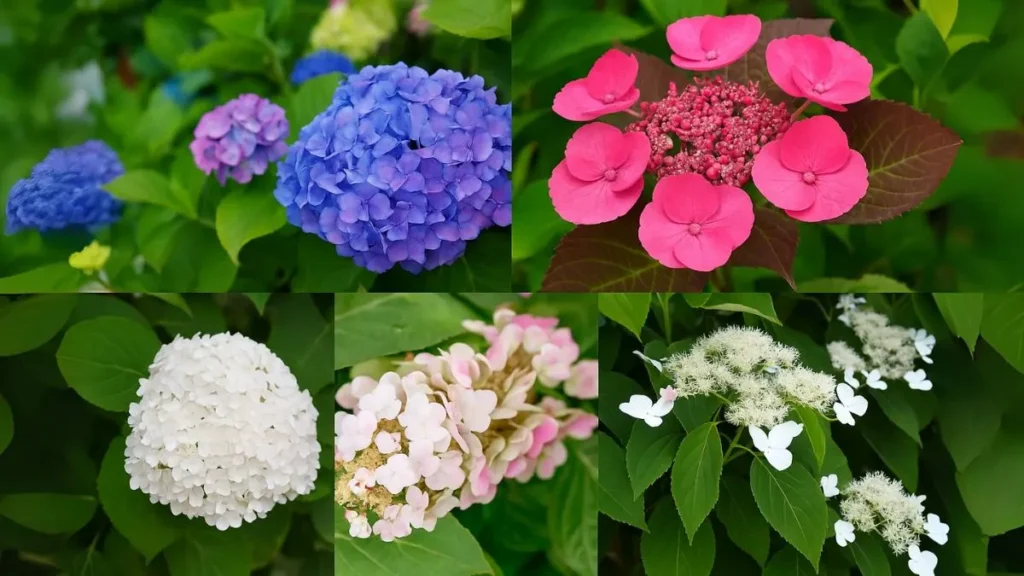
Hydrangeas come in multiple varieties, each with unique care requirements. Knowing the differences can help you provide the best environment for your plants, ensuring healthy blooms year after year.
Bigleaf (Hydrangea macrophylla) Care Tips
Bigleaf hydrangeas are known for their large, round flower clusters. They prefer partial shade, moist soil, and careful pruning after blooms to maintain shape and encourage next year’s flowers.
Panicle (Hydrangea paniculata) Care Tips
Panicle hydrangeas are more tolerant of sunlight and colder climates. Pruning in late winter helps stimulate strong stems and larger flower heads, making them ideal for striking garden displays.
Smooth (Hydrangea arborescens) Care Tips
Smooth hydrangeas are hardy and low-maintenance. They thrive in full sun to partial shade and benefit from light pruning to encourage abundant summer blooms.
Oakleaf (Hydrangea quercifolia) Care Tips
Oakleaf hydrangeas offer unique foliage and cone-shaped flowers. They prefer well-draining soil and partial shade, requiring minimal pruning while showcasing stunning seasonal colors.
Soil and Planting Requirements for Hydrangeas
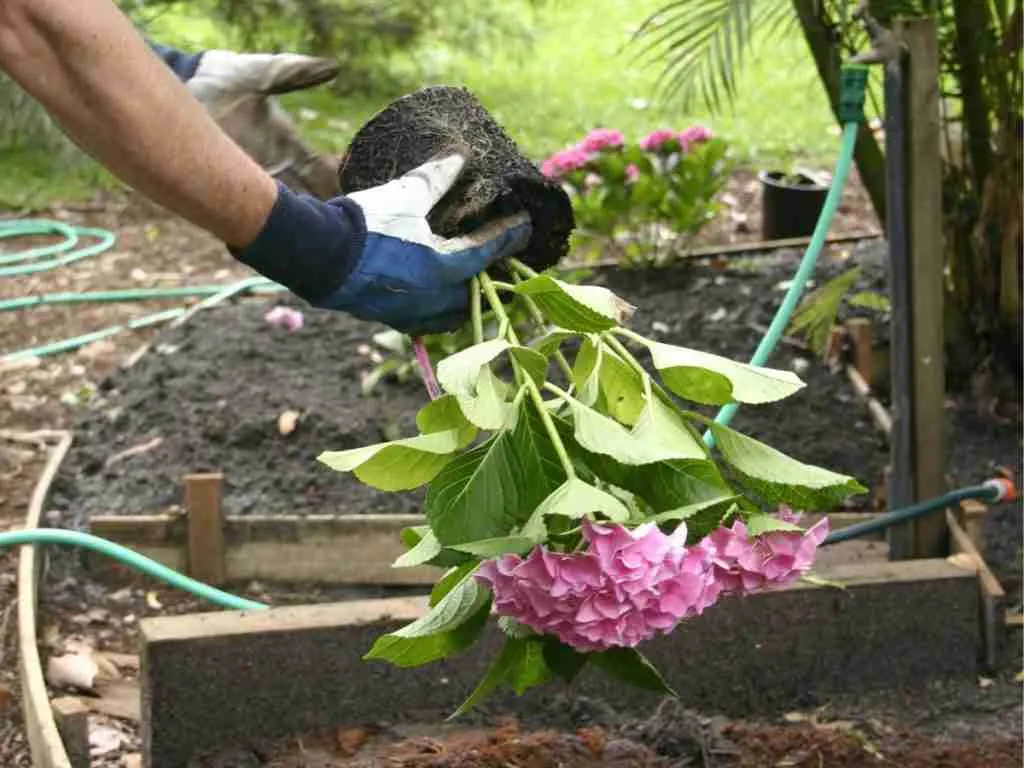
Healthy hydrangeas start with proper soil and location. Ensuring well-draining, nutrient-rich soil and selecting the right spot in your garden can prevent stress and promote long-lasting blooms.
Ideal Soil Types and pH Levels
Hydrangeas prefer slightly acidic to neutral soil with rich organic matter. Soil pH can even affect flower color, particularly in bigleaf varieties, where acidic soils produce blue flowers and alkaline soils create pink blooms.
Choosing the Right Location and Sunlight Exposure
Most hydrangeas thrive in morning sun with afternoon shade. Full sun is suitable for panicles and smooth hydrangeas, while oakleaf and bigleaf varieties benefit from partial shade to avoid wilting.
Planting Techniques for Thriving Hydrangeas
Plant hydrangeas with enough spacing for airflow to prevent disease. Dig a hole twice as wide as the root ball, mix in compost, and water thoroughly after planting for a healthy establishment.
Watering and Fertilizing Hydrangeas
Proper hydration and nutrition are key for vibrant flowers. Over- or under-watering can cause leaf wilting, while the right fertilizer promotes lush foliage and robust blooms.
How Often to Water Your Hydrangeas
Hydrangeas require consistent moisture, especially during dry spells. Water deeply 2–3 times a week, adjusting frequency depending on soil type and weather conditions.
Best Fertilizers and Feeding Schedule
Use slow-release or liquid fertilizers high in phosphorus to promote flowering. Feed hydrangeas in early spring and mid-summer, avoiding excess nitrogen that may lead to more leaves than flowers.
Pruning Hydrangeas for Maximum Bloom
Pruning helps maintain shape, encourages flowering, and removes dead or damaged wood. Timing and method depend on hydrangea type to avoid reducing blooms.
When and How to Prune Different Hydrangea Types
Bigleaf and oakleaf varieties bloom on old wood, so prune after flowering. Panicle and smooth hydrangeas bloom on new wood, allowing for late winter or early spring pruning.
Tips for Encouraging Bigger Flowers
Remove weak stems and cut back one-third of older branches to redirect energy to stronger growth. Fertilizing and adequate watering during bloom season also enhances flower size.
Common Pests and Diseases Affecting Hydrangeas
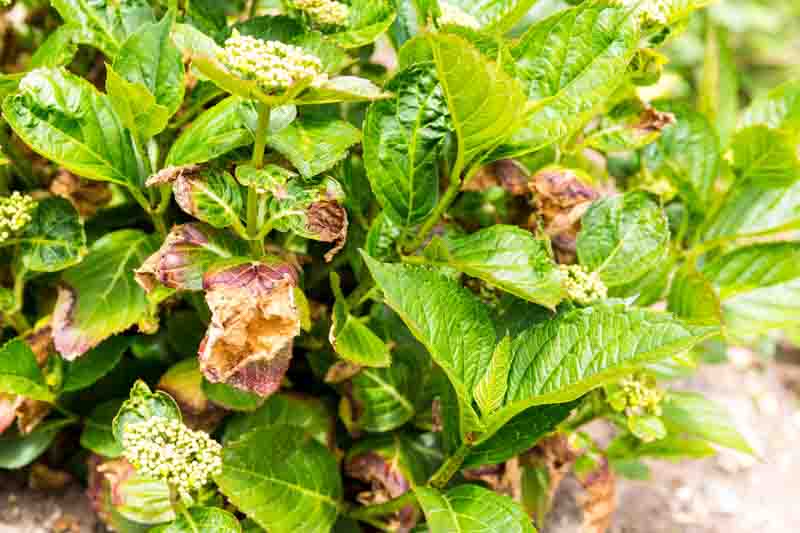
Hydrangeas can attract pests and diseases if not monitored. Early detection and treatment protect plant health and prevent long-term damage.
Identifying and Treating Aphids, Spider Mites, and More
Inspect leaves regularly for small insects like aphids or spider mites. Use insecticidal soaps or neem oil, and maintain good garden hygiene to reduce infestations.
Preventing Fungal and Bacterial Infections
Avoid overhead watering and prune overcrowded branches. Treat fungal infections promptly with fungicides, and remove any affected leaves to prevent spread.
Seasonal Care Tips for Hydrangeas
Hydrangeas require attention throughout the year. Seasonal adjustments in watering, fertilizing, and protection ensure healthy growth and vibrant blooms.
Spring and Summer Care Guidelines
Focus on watering, fertilizing, and pest prevention. Stake tall varieties to support flower heads and remove any damaged stems after winter.
Fall and Winter Protection Tips
Mulch around the base to retain moisture and protect roots. For cold climates, cover sensitive varieties with burlap to prevent frost damage.
Tips for Growing Hydrangeas in Containers
- Choose the Right Container: Select a pot with good drainage and enough space for roots to grow, ideally 12–18 inches deep.
- Use High-Quality Potting Mix: Opt for a well-draining, nutrient-rich potting soil to ensure healthy growth.
- Position for Optimal Light: Place containers in a spot with morning sun and afternoon shade to protect delicate blooms.
- Regular Watering: Container hydrangeas dry out faster, so keep soil consistently moist but not waterlogged.
- Fertilize Appropriately: Feed with a balanced, slow-release fertilizer during the growing season for vibrant flowers.
Troubleshooting Common Hydrangea Problems
Hydrangeas are beautiful, but they can sometimes face growth challenges that affect leaves, blooms, or overall health. Identifying problems early allows gardeners to take timely action, ensuring vibrant flowers and lush foliage. Understanding the causes of common issues is the key to maintaining healthy, thriving plants.
Yellow Leaves, Wilting, and Bloom Issues
Yellow leaves on hydrangeas often indicate nutrient deficiencies, poor drainage, or overwatering. Wilting can be caused by drought, heat stress, or root damage. To address these issues:
- Test the soil and adjust fertilization with a balanced fertilizer.
- Ensure proper watering: deep, consistent watering is better than frequent shallow watering.
- Mulch around the base to retain moisture and protect roots from temperature extremes.
- Remove damaged leaves to encourage new, healthy growth.
Soil pH and Flower Color Adjustments
One of the unique features of hydrangeas is their ability to change flower color based on soil pH:
- Blue Blooms: Acidic soil (pH 5.0–5.5) with aluminum sulfate promotes vibrant blue flowers.
- Pink Blooms: Alkaline soil (pH 6.0–6.5) with garden lime encourages pink blooms.
- Purple or Lavender Shades: Neutral soil or a combination of acidic and alkaline adjustments can produce mixed colors.
FAQ
1: How often should I water my hydrangeas for optimal growth?
Hydrangeas need consistently moist soil, especially in hot weather. Water deeply 2–3 times per week, adjusting frequency based on rainfall and container size.
2: What is the best soil type for healthy hydrangeas?
Hydrangeas thrive in well-draining, nutrient-rich soil with a slightly acidic to neutral pH. Mixing compost improves fertility and promotes vibrant blooms.
3: How can I encourage my hydrangeas to bloom more abundantly?
Regular pruning, proper fertilization, and ensuring adequate sunlight encourage abundant flowering. Removing spent blooms also stimulates new growth and vibrant blossoms.
4: Can hydrangeas be grown indoors successfully?
Yes, indoor hydrangeas require bright, indirect light, consistent moisture, and humidity control. Choose compact varieties suitable for pots and containers.
5: How do I protect my hydrangeas during winter?
Mulch around the base, cover with burlap, and avoid late-season pruning to protect buds. Container plants may need relocation to sheltered areas.
Conclusion
Proper hydrangea care transforms gardens with vibrant, long-lasting blooms. By understanding soil, water, fertilization, pruning, and seasonal adjustments, gardeners can enjoy thriving plants year after year. Consistency, observation, and attention to detail ensure your hydrangeas remain the centerpiece of any landscape, providing beauty, color, and a sense of accomplishment.