

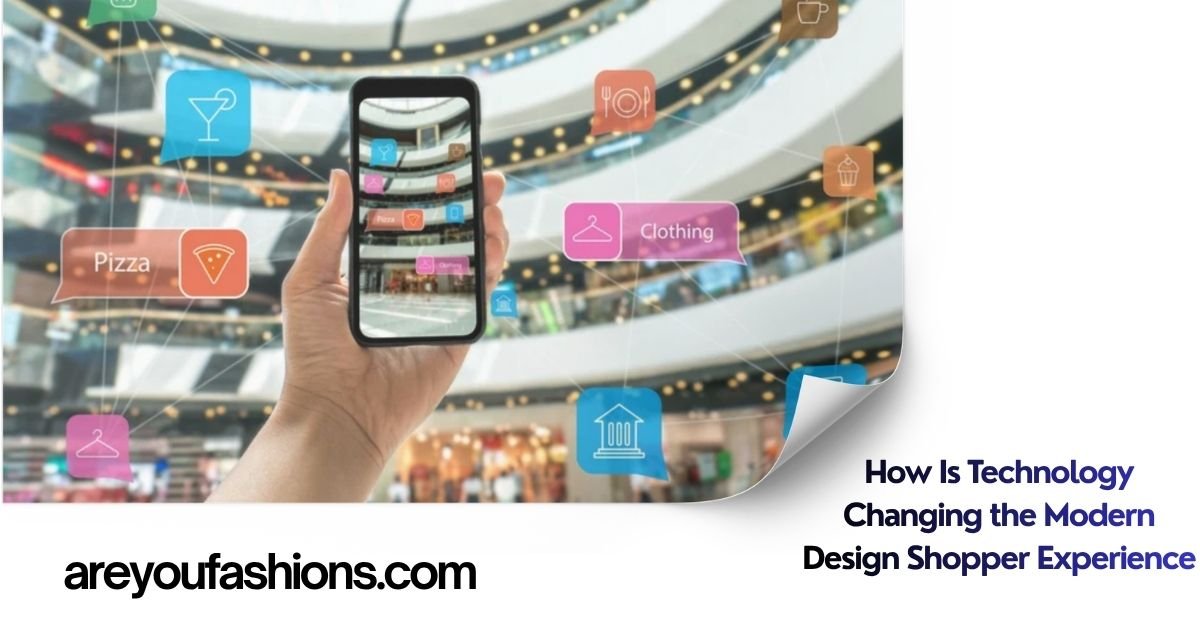
04 Sep How Is Technology Changing the Modern Design Shopper Experience?
The phrase “design shopper” can have more than one meaning. In the retail and design world, it often refers to a shopper-focused approach to design: creating stores, displays, websites, product pages, packaging, and shopping experiences around the needs and behavior of customers.
A design shopper may also mean a person who actively looks for well-designed products, attractive interiors, useful home items, fashion pieces, furniture, or creative goods. In some searches, the phrase may be connected with names of design-focused shops or online stores.
This guide explains the broader meaning of design shopper in simple terms. It looks at shopper-centered retail design, visual merchandising, online shopping, interior design stores, product discovery, customer experience, technology, and practical ways to make better shopping decisions.
The goal is not simply to make shopping look attractive. Good design should help people understand products, compare choices, move through a store or website easily, and make decisions with less confusion.
What Does Design Shopper Mean?
A design shopper can describe either a shopper interested in design or a design approach focused on shoppers.
In retail, shopper-centered design means creating an environment around the customer journey. This can include:
- Store layout
- Product placement
- Lighting
- Signs and wayfinding
- Displays
- Packaging
- Website design
- Product photography
- Checkout experiences
- Mobile shopping
- Personalization
- Interior design
- Brand presentation
Retail design is broader than simply decorating a store. It can influence how people enter, browse, compare products, find information, and reach checkout. Shopify describes retail design as the organization of a retail space that welcomes customers and guides them through the store.
The central idea is simple: design should make shopping easier and more useful.
For example, imagine a home goods store with attractive furniture but poor organization. Customers may like the products but struggle to find the right size, price, color, or category.
Now imagine the same store with clear sections, readable signs, comfortable walking space, useful product information, and furniture arranged in realistic room settings. The second design gives shoppers more help without forcing them to ask an employee for every detail.

That is the basic principle behind shopper-centered design.
Why Is Design Important for Shoppers?
Design affects more parts of shopping than many people realize.
When a store, website, or product page is well designed, shoppers can often find what they need faster. Clear design can also reduce uncertainty.
For example, a shopper buying a sofa may need to know:
- Exact dimensions
- Available colors
- Material
- Delivery options
- Assembly requirements
- Return policy
- Price
- Warranty
- Customer reviews
A beautiful photograph alone does not answer these questions.
Good design combines visual appeal with useful information.
This is particularly important because modern shopping often moves between physical and digital spaces. A customer might see a product on social media, research it on a phone, visit a store, compare prices on a laptop, and eventually purchase online.
A modern retail environment therefore includes both physical and digital touchpoints. Shopify’s 2026 discussion of retail environments describes this broader experience as a combination of physical and digital interactions that influence the customer buying journey.
Design Shopper and Retail Design
Retail design is one of the most important areas connected with the term design shopper.
A retail designer considers how customers interact with a space. The work may involve store planning, fixtures, materials, lighting, graphics, signage, merchandising, and customer movement.
A professional retail designer may think about questions such as:
- Where does the customer look first?
- Is the entrance easy to understand?
- Can shoppers find major categories quickly?
- Are important products easy to see?
- Is the checkout area clear?
- Does the store feel crowded?
- Is the lighting suitable for the products?
- Can customers move comfortably?
- Does the design match the brand?
- Does the store work for people with different needs?
Retail designers often work with architects, interior designers, visual merchandisers, marketers, engineers, and brand teams.
The best results usually come from combining creative ideas with practical testing.
What Is Shopper-Centered Design?
Shopper-centered design starts with the customer instead of starting with decoration.
This means designers study what shoppers need, how they move, what information they look for, and where they experience problems.
A shopper-centered design process may include:
- Research
- Customer observation
- Space planning
- Concept development
- Prototyping
- Testing
- Measurement
- Improvement
This approach is useful because assumptions about customers are not always correct.
For example, a designer might assume that customers want a large promotional display near the entrance. Testing may show that shoppers actually need a clearer category sign or more open space.
The lesson is important: attractive design is not automatically effective design.
Design Shopper vs. Traditional Store Design
Traditional store design may focus heavily on appearance, brand identity, and product presentation.
Shopper-centered design adds another layer: usability.
Consider a clothing store.
A traditional design question might be:
“What color and materials should the store use?”
A shopper-centered question might be:
“How can customers quickly understand where different clothing categories are located?”
Both questions matter.
Good retail environments combine:
- Brand identity
- Beauty
- Function
- Accessibility
- Navigation
- Product visibility
- Customer comfort
The strongest retail concepts usually make these elements work together rather than treating them as separate tasks.
How Store Layout Influences the Design Shopper
Store layout affects how people move through a space.
Common retail layouts include grid, loop, free-flow, and mixed layouts. Different layouts suit different businesses.
Grid Layout
A grid layout uses organized rows and aisles.
It is common in supermarkets, pharmacies, hardware stores, and other businesses with many products.
Advantages include:
- Easy product organization
- Efficient use of space
- Familiar navigation
- Strong category structure
The disadvantage is that it can sometimes feel less inspiring than more open layouts.
Loop Layout
A loop layout encourages shoppers to follow a planned path through the store.
This can expose customers to many categories.
However, shoppers should still be able to leave the path easily when they know what they want.
Free-Flow Layout
Free-flow stores use a less rigid arrangement.
This approach is common in fashion, lifestyle, furniture, beauty, and specialty retail.
It can create a relaxed experience but requires careful planning so that customers do not become confused.
Mixed Layout
Many modern stores combine several layout types.
For example, a home store might use organized aisles for small products but open room displays for furniture.
This can give shoppers both efficiency and inspiration.
The Role of Visual Merchandising
Visual merchandising is another major part of the design shopper experience.
It is the practice of presenting products in ways that help customers notice, understand, and explore them.
Examples include:
- Window displays
- Product groupings
- Feature tables
- Endcaps
- Mannequins
- Room displays
- Color arrangements
- Signage
- Promotional displays
Effective visual merchandising should not only make products attractive. It should also communicate useful information.
For example, placing a dining table with chairs, lighting, dishes, and decorative objects can help shoppers imagine how the products work together.
This is especially useful for furniture and interior products.
Retail design projects often combine spatial design, merchandising, signage, and brand communication to create a connected customer experience.
Why Interior Design Matters to a Design Shopper
Interior design and retail design overlap in several ways.
A person shopping for a home may want more than a single product. They may want a complete look.
For example, someone purchasing a living room may consider:
- Sofa
- Coffee table
- Rug
- Curtains
- Lamps
- Wall art
- Storage
- Accent chairs
- Decorative objects
An interior design shop can make this process easier by presenting related products together.
This is one reason terms such as “interior design shoppe” can appear in searches related to design shopping. The word “shoppe” is often used in business names or branding to create a boutique or specialty-store feeling.
However, shoppers should look beyond a store’s name. A professional-looking name does not automatically mean that a business provides high-quality products or services.
What Is an Interior Design Shoppe?
An interior design shoppe generally suggests a specialty retail or design business that may sell home furnishings, decor, accessories, textiles, furniture, or design-related products.
The exact services can vary greatly.
One shop may sell decorative items, while another may provide full interior design services. A third may combine product sales with design consultations.
Before purchasing, check:
- Business identity
- Product descriptions
- Measurements
- Materials
- Shipping terms
- Return policies
- Customer reviews
- Contact information
- Warranty details
- Payment security
The name “interior design shoppe” should therefore be treated as a search phrase, not as proof of a particular company or service.
Understanding Searches for “Sweet Design Shoppe”
Some shoppers may encounter searches for “sweet design shoppe,” “the sweet design shoppe,” or “sweet designs shoppe.”
These phrases may refer to specific businesses, online stores, creative brands, or similarly named companies.
Because business names can be very similar, shoppers should verify the exact business before making a purchase.
Useful checks include:
- Official business website
- Exact business name
- Location
- Product category
- Contact information
- Customer service policy
- Independent reviews
- Return and refund information
This is especially important when several businesses have similar names.
A search engine result does not necessarily establish that two similarly named businesses are connected.
How to Identify a Trustworthy Design Shop
Whether shopping for furniture, home decor, clothing, art, accessories, or other design products, trust should be based on evidence.
A trustworthy retailer should provide clear information.
Look for:
Clear Product Details
Good product pages should explain what the item is made from, how large it is, what is included, and how it should be used.
Transparent Pricing
The price should be easy to understand.
Watch for additional costs such as:
- Shipping
- Handling
- Assembly
- Taxes
- Customization
- Installation
Clear Return Policies
Before purchasing expensive design products, understand the return period and conditions.
Custom-made products may have different return rules from standard products.
Secure Checkout
Use websites with appropriate security protections and avoid entering payment information into suspicious pages.
Real Customer Support
A legitimate retailer should provide a reasonable way to contact the business.
Also Read: How Do You Choose the Best Small Leather Purse for Everyday Use
Independent Reputation
Do not rely only on reviews displayed by the retailer.
Look for information from multiple sources when possible.
How Online Shopping Changed the Design Shopper
Online shopping has changed how people discover and evaluate products.
A shopper no longer needs to visit multiple stores to compare products.
Instead, a person can compare:
- Prices
- Dimensions
- Materials
- Colors
- Reviews
- Shipping
- Photos
- Alternatives
This creates convenience but also creates new problems.
Online images can make products look different from reality. A sofa can appear compact in a photograph but be very large in an actual room.
Color can also change depending on lighting, screen settings, photography, and material.
This is why measurements and product specifications remain essential.
Why Measurements Matter in Design Shopping
One of the most common mistakes in furniture and home shopping is ignoring dimensions.
A product may look perfect online but fail to fit a room.
Before buying furniture, measure:
- Room width
- Room length
- Ceiling height
- Door width
- Hallway width
- Stairway clearance
- Elevator dimensions
- Available floor space
Also check the product’s assembled dimensions.
For large furniture, delivery measurements can be just as important as room measurements.
A technically perfect piece of furniture is not useful if it cannot enter the home.
Design Shopper and AI Technology
Artificial intelligence is becoming increasingly relevant to retail and design.
Modern tools can help shoppers visualize products, compare options, generate room concepts, and explore different arrangements.
Newer shopping tools are also experimenting with true-to-scale product visualization. One recent example describes an AI-assisted furniture shopping approach that converts product information into room layouts using actual product dimensions rather than generic furniture images.
This direction is important because scale is one of the biggest problems in online furniture shopping.
AI can help answer questions such as:
- Would this sofa fit?
- What might this room look like with a different table?
- Which colors work together?
- How could furniture be arranged?
- Which products match a selected style?
However, AI-generated visuals should not automatically be treated as accurate product photographs.
Always check the retailer’s actual specifications.
Benefits of Technology for Design Shoppers
Technology can make shopping more convenient.
Useful tools include:
Room Visualization
Some platforms allow shoppers to see furniture inside a virtual room.
Product Comparison
Comparison tools can place product information side by side.
Image Search
Visual search can help users find similar products.
Personalized Recommendations
Retailers may use customer behavior to suggest related products.
Digital Product Information
QR codes, mobile pages, and interactive displays can provide additional information.
Technology works best when it reduces uncertainty instead of simply adding visual effects.
Privacy and Personalization in Shopping
Personalized shopping can be useful, but it can also involve data collection.
Retail websites and apps may collect information about browsing, purchases, preferences, location, device type, or interactions.
Before accepting personalization features, shoppers should understand what information is being collected and how it is used.
Good digital habits include:
- Read privacy policies when practical
- Use strong passwords
- Avoid reusing passwords
- Enable multi-factor authentication when available
- Be careful with unknown links
- Review account settings
- Avoid sharing unnecessary personal information
Convenience should not require giving every company more information than it needs.
How to Avoid Design Shopping Scams
Design products can be attractive targets for online scams because furniture, artwork, luxury decor, and specialty products may have high prices.
Warning signs can include:
- Prices that seem unrealistically low
- Pressure to pay immediately
- No clear return policy
- Poorly written product information
- Missing business details
- Suspicious payment methods
- Fake-looking reviews
- Copied product photos
- Unclear shipping information
- Pressure to move conversations away from the official website
A single warning sign does not prove fraud, but several warning signs should make shoppers cautious.
When purchasing an expensive item, take time to verify the seller.
How Design Can Improve Accessibility
A strong shopper experience should work for as many people as reasonably possible.
Accessibility can involve:
- Clear signs
- Adequate aisle space
- Appropriate lighting
- Easy-to-read text
- Accessible entrances
- Comfortable navigation
- Clear online product information
- Keyboard-friendly websites
- Descriptive digital content
Accessibility is not simply a legal or technical issue. It can also improve the experience for older shoppers, parents with children, people carrying bags, and customers who simply prefer easier navigation.
Good design removes unnecessary barriers.
Design Shopper and Customer Psychology
Retail design often considers human behavior.
People naturally notice some things before others.
For example, large signs, strong contrast, movement, familiar symbols, and clear product groupings can attract attention.
But effective design should not manipulate customers through confusion.
Ethical retail design should help people make informed decisions.
A useful principle is:
“Make important information easier to find.”
This includes price, size, material, terms, availability, and other information needed for a reasonable purchase decision.
The Difference Between Good Design and Manipulative Design
Not every design technique is equally helpful.
Good design may:
- Clarify information
- Improve navigation
- Reduce frustration
- Make products easier to compare
- Explain benefits accurately
Manipulative design may:
- Hide important fees
- Make cancellation difficult
- Create false urgency
- Make unwanted options easy to select
- Hide essential information
Digital shoppers should be especially careful with websites that make it easier to buy than to cancel.
Design should support informed choice, not confusion.
How Retailers Measure Shopper Experience
Retail businesses may use different measures to understand whether a design works.
Examples include:
- Conversion rate
- Sales per square foot
- Average transaction value
- Dwell time
- Customer satisfaction
- Repeat purchases
- Cart abandonment
- Product engagement
- Store traffic
- Search behavior
However, one metric rarely tells the entire story.
For example, longer time in a store is not automatically good. A shopper may stay longer because the store is enjoyable, or because the layout is confusing.
Good analysis combines multiple signals.
Retail design agencies often describe shopper-centered design in terms of navigation, visibility, engagement, and commercial performance.
What Makes a Good Design Shopper Experience?
A strong experience usually has several characteristics.
It Is Easy to Understand
Customers quickly understand what the store or website offers.
It Is Easy to Navigate
People can find products without unnecessary effort.
It Provides Useful Information
Important product facts are visible.
It Feels Comfortable
Lighting, sound, space, temperature, and furniture arrangement contribute to comfort.
It Supports Comparison
Customers can compare similar products.
It Works Across Devices
The online experience should function well on phones, tablets, and computers.
It Builds Trust
Policies, pricing, contact details, and product information are clear.
How to Shop Like a Smart Design Shopper
You do not need to be an interior designer or retail expert to make better shopping decisions.
Start with the purpose of the purchase.
Ask:
“What problem am I trying to solve?”
For home products, consider the room.
For fashion, consider your existing wardrobe.
For furniture, consider size and use.
For decorative items, consider whether the product fits your overall space.
Then compare practical factors.
Do not choose an item only because it looks attractive in a photograph.
A Simple Design Shopper Checklist
Before buying a design-focused product, ask:
- Does it meet my actual need?
- Will it fit the available space?
- Are the measurements correct?
- What materials are used?
- Is the price reasonable compared with alternatives?
- Are shipping costs clear?
- What is the return policy?
- Is the seller trustworthy?
- Are customer reviews credible?
- Will the product remain useful over time?
This simple checklist can prevent many common shopping mistakes.
How Interior Design Stores Can Help Shoppers
A good interior design store can provide inspiration as well as products.
Instead of displaying individual objects randomly, a store may create complete scenes.
For example, a bedroom display could include:
- Bed
- Nightstands
- Bedding
- Lamps
- Rug
- Artwork
- Storage
- Decorative accessories
This allows shoppers to understand how individual products work together.
The idea is similar to a physical mood board.
The important difference is that shoppers can often interact with the products directly.
Why Product Context Matters
Products are easier to understand when shown in context.
A lamp photographed alone may look simple.
The same lamp shown on a table beside a chair can communicate:
- Scale
- Purpose
- Style
- Placement
- Color relationship
Context can therefore help shoppers make better judgments.
But context should not create misleading expectations.
If accessories shown in a room are not included with the main product, that should be stated clearly.
Sustainability and Design Shopping
Sustainability is another factor increasingly considered by design shoppers.
People may ask:
- Is the product durable?
- Can it be repaired?
- What materials are used?
- Where was it made?
- Can parts be replaced?
- Can it be recycled?
- How long is the expected lifespan?
A product that lasts for many years may offer better value than a cheaper item that needs frequent replacement.
Shoppers should be careful with broad environmental claims.
Words such as “eco-friendly,” “green,” or “sustainable” can be vague without supporting details.
Look for specific information about materials, production, durability, packaging, or certifications.
Design Shopper Trends in 2026
Several themes are shaping modern retail and design experiences.
More Personalized Shopping
Retailers increasingly use customer information and technology to provide more relevant recommendations. Shopify identifies personalization and AI-powered experiences as important areas in current retail design.
More Blending of Online and Offline Shopping
Customers increasingly move between digital and physical channels.
A store may support online ordering, digital product information, pickup, delivery, and in-store experiences.
Greater Focus on Convenience
Shoppers often value easy navigation, quick information, flexible fulfillment, and simple returns.
More Product Visualization
Virtual room planning, augmented reality, and AI visualization can help people understand products before purchase.
Experience-Based Retail
Some stores increasingly function as places to explore products and ideas rather than simply shelves containing merchandise.
Human-Centered Design
Technology is useful, but customers still need clear information, human support, and comfortable experiences.
Is “Design Shopper” a Brand or a General Term?
The answer depends on context.
“Design shopper” can be used as a general phrase describing shopping behavior, retail design, or shopper-focused design.
It can also appear in business names, marketing language, or website content.
This is why search intent matters.
If someone searches “design shopper,” they may be looking for:
- A retail design concept
- A shopping website
- Design products
- Interior design inspiration
- A design store
- A specific company
- Shopper marketing information
- Retail experience services
Search results can change over time, so users should verify the exact business or product they are trying to find.
Understanding Search Intent for Design Shopper
SEO professionals often divide searches into different intent types.
Informational Intent
The user wants to learn.
Example:
“What is shopper-centered design?”
Commercial Investigation
The user is comparing options.
Example:
“Best interior design shoppe for home decor”
Transactional Intent
The user wants to buy.
Example:
“Buy modern design furniture online”
Navigational Intent
The user is trying to reach a specific website or company.
Example:
“The Sweet Design Shoppe website”
Understanding intent is useful because the best result depends on what the shopper actually wants.
How to Compare Design Stores
When comparing two or more design stores, create a simple list.
Compare:
| Factor | What to Check |
| Product quality | Materials, construction, durability |
| Price | Total cost, not only sticker price |
| Selection | Size, color, style, options |
| Shipping | Cost, timing, delivery method |
| Returns | Time period and conditions |
| Reviews | Independent customer experiences |
| Support | Contact and service options |
| Warranty | Coverage and exclusions |
| Design style | Whether it fits your needs |
| Transparency | Clear business and product information |
This approach keeps the decision practical.
Common Mistakes Design Shoppers Make
Buying Only for Appearance
A beautiful item may not be comfortable, durable, or practical.
Ignoring Scale
Large furniture can overwhelm a small room.
Forgetting Delivery
A product that fits a room may not fit through the front door.
Trusting Every Review
Reviews can be useful, but they should be considered alongside other evidence.
Ignoring Return Policies
This can be especially costly for furniture and large design products.
Also Read: How to Choose Outfits for Your Body Type
Following Trends Too Closely
A trend can become outdated quickly.
Choosing the Lowest Price Automatically
A lower price may come with weaker materials or shorter product life.
How to Choose Timeless Design
Trendy products can be fun, but timeless design often provides better long-term flexibility.
Useful principles include:
- Choose quality basics
- Consider neutral foundations
- Add trends through smaller accessories
- Prioritize durability
- Think about long-term use
- Avoid buying items that only work with one style
For example, a simple sofa can remain useful while pillows, rugs, lamps, or artwork change over time.
This creates flexibility without requiring a complete redesign.
What Retail Designers Can Learn From Shoppers
Shopper behavior can reveal problems that design teams cannot see from drawings alone.
A designer may believe that a store is easy to navigate, but actual customers may repeatedly ask employees where a product is located.
That behavior is valuable evidence.
Retail designers can improve experiences by observing:
- Where people stop
- Where they turn around
- What signs they read
- What products they touch
- What they ignore
- Where queues form
- Where confusion happens
Shopper behavior is therefore an important design input.
Why Human Experience Still Matters
Technology is changing retail, but shopping remains a human activity.
People still want:
- Confidence
- Convenience
- Trust
- Inspiration
- Help
- Comfort
- Clear information
The most effective design does not necessarily use the most technology.
Instead, it uses the right technology for the problem.
A touchscreen is not useful if a simple sign would work better.
An AI room planner is valuable when it improves visualization.
Personalization is helpful when it makes discovery easier without becoming intrusive.
Frequently Asked Questions About Design Shopper
1. Is design shopper the same as a retail designer?
No. A retail designer is a professional who designs retail environments, while “design shopper” is a broader phrase that can describe shopper-focused design or someone interested in design products. A retail designer may use shopper research to create better store layouts, displays, and customer journeys.
2. What should I check before buying furniture from an online design shop?
Check the exact dimensions, materials, shipping costs, delivery requirements, return policy, warranty, payment security, and independent customer feedback. For large furniture, also measure doors, hallways, stairs, and elevators before ordering.
3. Why do some design stores use the word “shoppe”?
“Shoppe” is often used as a branding term that can suggest a boutique, specialty, traditional, or curated shopping experience. It does not by itself prove anything about a store’s quality, history, or services.
4. Can AI accurately show how furniture will look in my home?
AI and visualization tools can provide useful estimates, but they should not replace actual product specifications. Image generation and virtual room tools can sometimes make products appear more accurate, larger, smaller, or different in color than they really are. Always confirm measurements and specifications with the retailer.
5. How can I tell whether a design shopping website is legitimate?
Look for clear business information, secure payment methods, detailed product descriptions, transparent shipping and return policies, reliable customer support, and independent reviews. Be cautious when a website uses extreme discounts, pressure tactics, unclear contact information, or unusual payment requests.
Conclusion
“Design shopper” is a broad term that connects two important ideas: the person who shops with an eye for design and the design of shopping experiences around real customer needs.
Modern shopping is no longer limited to shelves and checkout counters. It includes websites, mobile apps, product photography, virtual room planning, AI recommendations, social media discovery, physical stores, delivery systems, and customer service.
Good design brings these elements together.
For shoppers, the most important lesson is to look beyond appearance. A product should not only look good; it should meet a real need, fit the available space, provide clear value, and come from a trustworthy source.
For retailers and designers, the lesson is similar. A beautiful environment is valuable, but successful shopper-centered design must also be understandable, accessible, useful, measurable, and comfortable.
Whether someone searches for “design shopper,” “interior design shoppe,” “sweet design shoppe,” “the sweet design shoppe,” or “sweet designs shoppe,” the best approach is to understand the search intent and verify the exact business, product, or service being considered.
In the end, effective design does not make shopping harder. It removes unnecessary friction and helps people make better-informed choices.