

17 Dec Daith Piercing – Pain, Healing, Jewelry, Migraine Myths & Aftercare
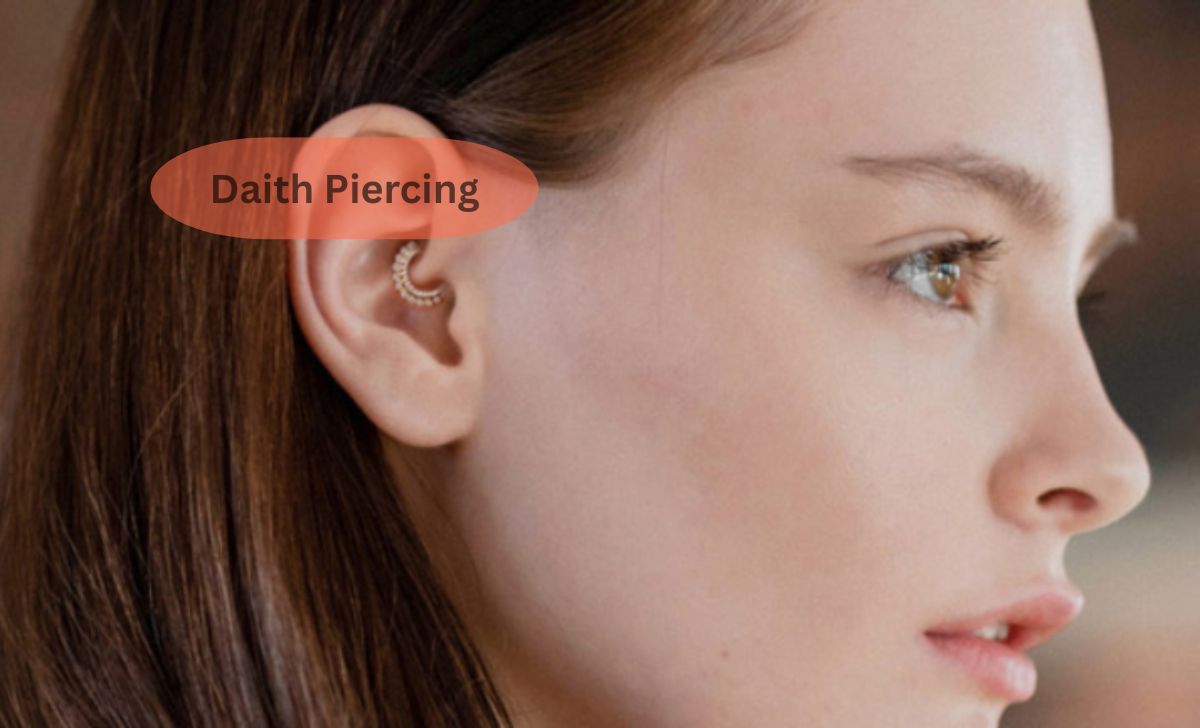
Daith piercing is a unique type of ear piercing that has gained immense popularity in recent years. Positioned in the innermost fold of cartilage just above the ear canal, this piercing is both a bold fashion statement and a topic of interest among migraine sufferers.
Many claim it may help reduce headaches by targeting an acupuncture point, although scientific evidence is limited. Whether for aesthetics, curiosity, or potential health benefits, understanding daith piercing is essential before taking the plunge.
Daith Piercing guide: Learn aftercare tips, healing time, pain levels, jewelry options, and myths. Stay safe and stylish with expert advice.
What Is a Daith Piercing?
Placement and Pronunciation
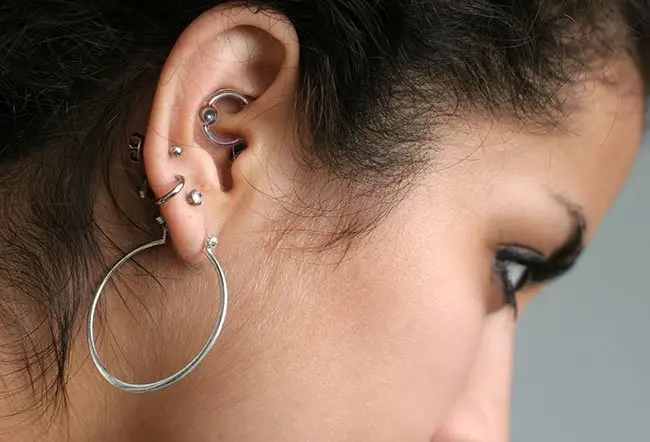
A daith piercing passes through the helix crus of the ear, the small fold just above the ear canal. Pronounced as “doth,” this piercing is delicate and intricate, making it stand out from standard earlobe piercings. Due to its location, healing can take longer and requires careful aftercare.
History and Origin
The term “daith” is derived from the Hebrew word for knowledge, symbolizing the idea of opening gateways through the ear. Although daith piercings have been seen in various cultures for decades, they became especially trendy in the 2010s for both aesthetic appeal and alternative migraine relief claims. Its popularity surged on social media platforms like TikTok and Instagram.
Pain and Healing
Is a Daith Piercing Painful?
Pain perception varies, but daith piercings are generally more painful than lobe piercings due to the thicker cartilage. The piercing process may feel sharp and uncomfortable, yet most people describe it as manageable. Using numbing agents or distractions during the process can help minimize discomfort.
Healing Time and What to Expect
Healing typically ranges from 3 to 6 months, but some individuals may take longer depending on their body’s natural healing ability and adherence to aftercare. During this period, swelling, tenderness, and mild discomfort are normal. Patience is key, as cartilage piercings take significantly longer to heal than softer earlobe piercings.
Jewelry Options for Daith Piercing
Types of Jewelry
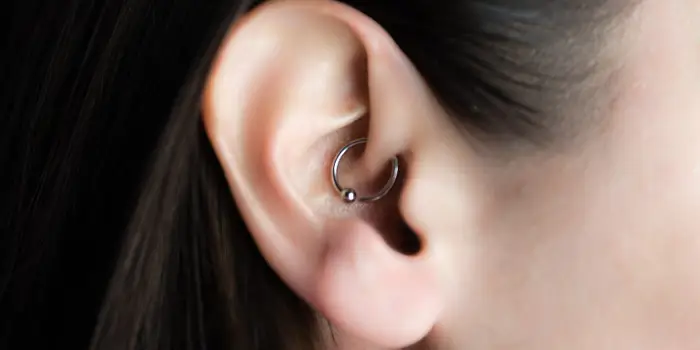
Daith piercings can accommodate various styles, including hoops, circular barbells, and decorative studs. Whether you prefer a subtle look or a bold statement, jewelry options are abundant.
Choosing Quality Jewelry
High-quality materials such as surgical steel, titanium, or gold reduce the risk of infection and allergic reactions. Avoid cheap, low-quality jewelry as it can cause irritation, prolonged healing, or permanent scarring. Always purchase from reputable sources and consult your piercer if unsure.
Daith Piercing Aftercare Tips
- Clean Regularly: Use a lukewarm saline solution daily to gently clean the piercing.
- Hands Off: Always wash hands before touching the piercing and avoid unnecessary contact.
- Keep Jewelry in Place: Do not remove or twist the jewelry until fully healed (3–6 months).
- Avoid Irritants: Keep hair, makeup, and skincare products away from the piercing to prevent infection.
- Monitor Healing: Watch for redness, swelling, or pus and consult a professional if any issues arise.
Daith Piercing and Migraine Relief

The Theory Behind Migraine Relief
Some claim daith piercings target an acupuncture point linked to migraine relief. The idea is that the piercing applies gentle pressure to this point, potentially reducing headache frequency.
What Science Says
Medical experts remain skeptical. Studies indicate that any pain reduction is likely a placebo effect, and no double-blind trials confirm its effectiveness. Neurologists caution that infections and cartilage damage are more likely than migraine relief.
Alternative Therapies
For those seeking migraine relief, safer options include acupuncture, acupressure, behavioral therapies, and lifestyle modifications. These methods have better evidence supporting their effectiveness and fewer risks compared to piercing.
Risks and Side Effects
Common Risks
- Infection due to cartilage being slower to heal
- Swelling, redness, or prolonged tenderness
- Cartilage damage or permanent scarring in severe cases
Safety Precautions
Choose a certified piercer with sterile equipment. Follow strict aftercare instructions and monitor for signs of infection. Seek medical attention if severe pain, pus, or fever occurs.
FAQs
1. Does a daith piercing help with migraine relief?
While some claim migraine relief from daith piercings, there is no scientific evidence supporting this; any improvement is likely due to the placebo effect.
2. How long does a daith piercing take to heal?
A daith piercing typically takes 3 to 6 months to fully heal, depending on aftercare, individual health, and avoiding infection or irritation.
3. Is getting a daith piercing painful?
Yes, daith piercings can be more painful than earlobe piercings due to cartilage thickness, but pain is temporary and manageable with proper technique.
4. What jewelry is safe for a daith piercing?
High-quality materials like surgical steel, titanium, or gold are recommended to avoid infection, allergic reactions, and ensure proper healing.
5. How should I care for my daith piercing?
Clean daily with saline solution, avoid touching, keep jewelry in, and watch for signs of infection to ensure safe and speedy healing.
Conclusion
Daith piercing is a unique and stylish ear piercing with a devoted following among both fashion enthusiasts and migraine sufferers. While it’s aesthetically appealing, claims of migraine relief remain anecdotal. Prioritize safety, follow aftercare guidelines, and choose professional piercers to minimize risks. Ultimately, a daith piercing can be a stunning accessory, but it should not replace medical treatments for headaches.