

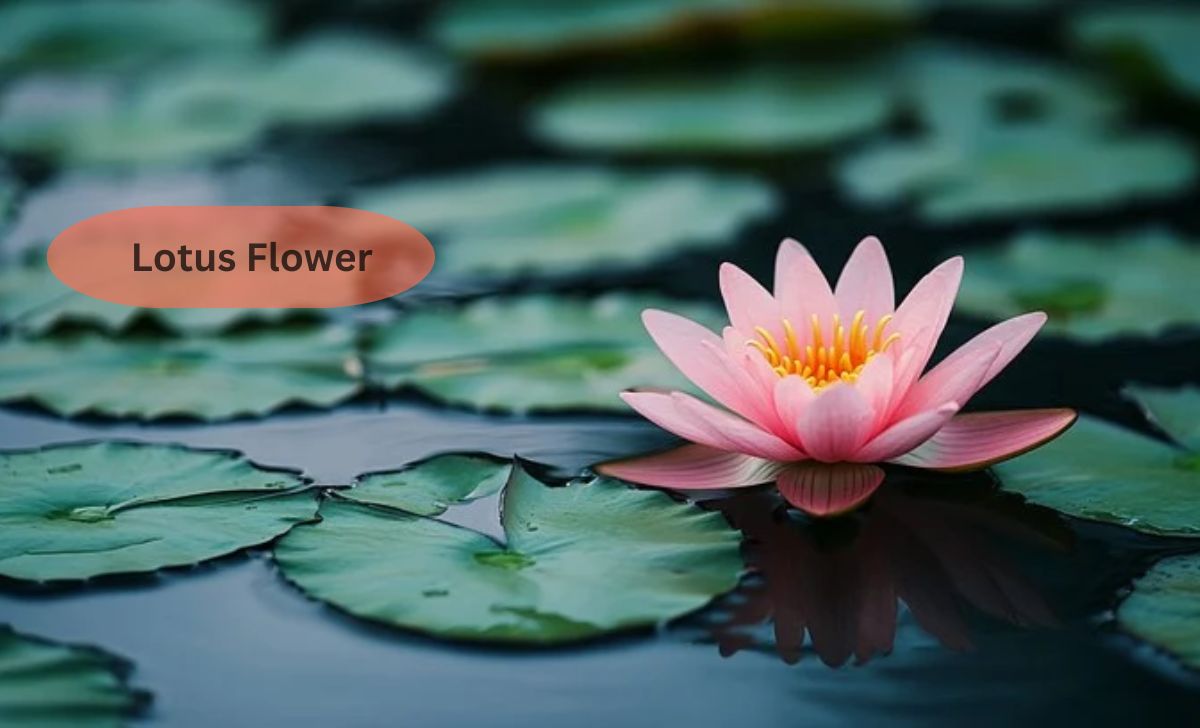
08 Jan Lotus Flower – Meaning, Symbolism, and Uses Explained
The lotus flower is a symbol of purity, resilience, and spiritual awakening, admired worldwide for its beauty and significance. Growing from muddy waters yet blooming pristinely above the surface, it has inspired art, religion, and culture for centuries. Beyond its symbolism, the lotus offers medicinal, culinary, and cosmetic benefits.
This comprehensive guide explores the lotus flower’s origins, meanings, colors, uses, and fascinating facts, helping you understand why it remains one of the most revered and iconic flowers in history.
Lotus flower: Discover its meaning symbolism colors, uses, and fascinating facts in this ultimate guide to one of the world’s most iconic and revered flowers.
What Is a Lotus Flower?
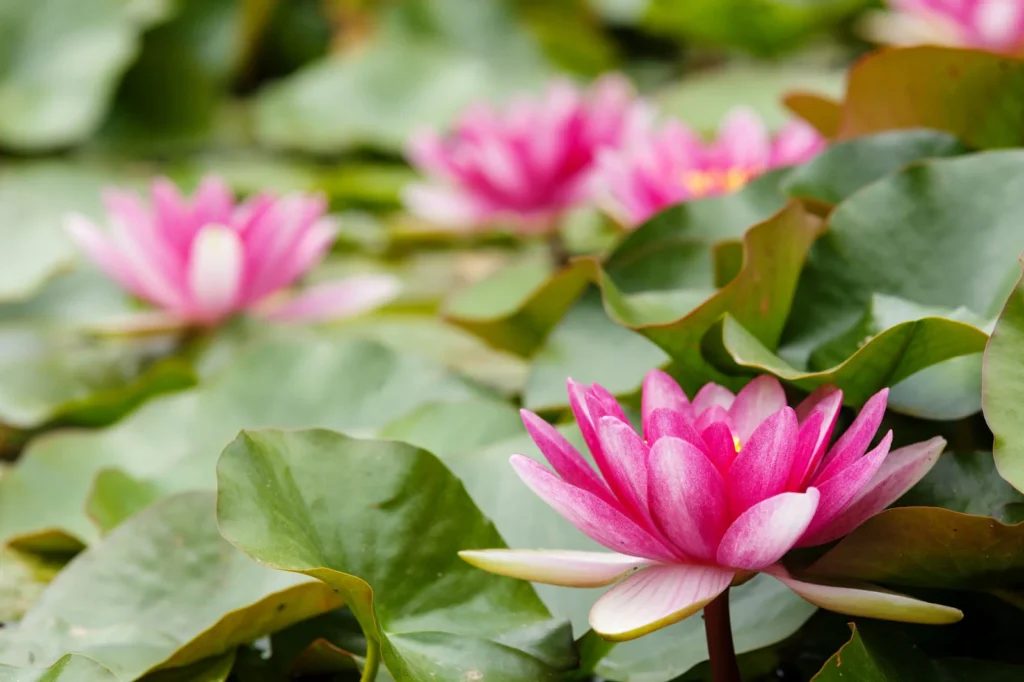
The lotus flower is a beautiful aquatic plant known for its ability to grow in muddy water while blooming clean and pure above the surface. It is admired worldwide for its visual beauty and deep symbolic meaning
. The lotus has been significant in cultures, religions, and traditions for thousands of years. Beyond symbolism, it also has practical uses in medicine, food, and art. Its resilience and elegance make it truly unique.
Origin and Botanical Background
The lotus flower belongs to the Nelumbo genus and grows mainly in Asia and parts of Australia. It thrives in shallow water bodies like ponds and lakes. The plant has broad floating leaves and large fragrant flowers. One remarkable feature is its self-cleaning surface, known as the “lotus effect.” This botanical trait adds to its symbolic purity.
Different Types of Lotus Flowers
There are two main species of lotus flowers: Nelumbo nucifera and Nelumbo lutea. Nelumbo nucifera is commonly found in Asia and holds spiritual significance. Nelumbo lutea, also known as the American lotus, grows in North America. Each species has different colors and sizes. Both types are admired for beauty and symbolism.
Lotus Flower Meaning and Symbolism
- Purity: The lotus rises clean from muddy waters, symbolizing purity of mind, body, and soul.
- Spiritual Enlightenment: Represents spiritual growth and awakening in many religious traditions.
- Rebirth and Renewal: Its daily blooming cycle symbolizes new beginnings and overcoming challenges.
- Resilience: Thriving in muddy water shows strength, perseverance, and the ability to rise above difficulties.
- Peace and Serenity: Often associated with calmness, balance, and inner harmony.
- Divine Connection: Symbolizes connection to deities in Hinduism, Buddhism, and Egyptian culture.
- Beauty and Elegance: Embodies grace, perfection, and the delicate balance of nature.
Lotus Flower in Religion and Spirituality
The lotus flower plays a central role in several major religions. It is associated with divine beauty, spiritual awakening, and moral purity. Religious texts and imagery frequently include the lotus. Its presence enhances sacred symbolism. The flower bridges nature and spirituality.
Lotus Flower in Buddhism
In Buddhism, the lotus symbolizes enlightenment and spiritual awakening. The Buddha is often depicted sitting on a lotus flower. It represents purity of mind and freedom from attachment. Each stage of the lotus growth mirrors spiritual progress. It is a key symbol in Buddhist teachings.
Lotus Flower in Hinduism
In Hinduism, the lotus is associated with gods like Vishnu, Lakshmi, and Brahma. It symbolizes divine beauty, prosperity, and creation. Many deities are shown holding or standing on a lotus. The flower represents spiritual perfection. It holds sacred importance in rituals.
Lotus Flower in Ancient Egyptian Culture
Ancient Egyptians viewed the lotus as a symbol of rebirth and the sun. It was linked to creation myths and life cycles. The flower closed at night and bloomed at sunrise, symbolizing renewal. It appeared in temples and tomb art. The lotus held deep spiritual meaning.
Colors of the Lotus Flower and Their Meanings
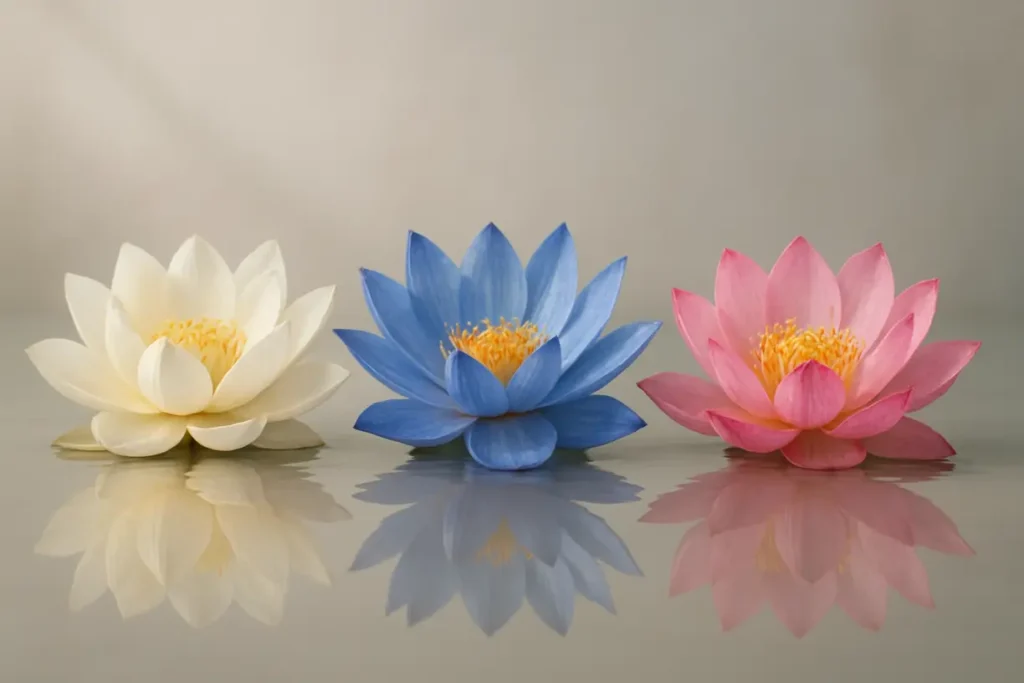
Different lotus flower colors carry unique meanings. Each color represents a different emotional or spiritual message. Color symbolism adds depth to the lotus’s significance. These meanings are widely recognized. Understanding them enhances appreciation.
White Lotus Flower Meaning
The white lotus symbolizes purity, peace, and spiritual perfection. It represents a calm and pure mind. Often linked with enlightenment, it reflects mental clarity. The white lotus is associated with Buddhism. It emphasizes inner peace and wisdom.
Pink Lotus Flower Meaning
The pink lotus is the most sacred and is linked to divine beings. It represents spiritual awakening and devotion. Often associated with the Buddha, it symbolizes the highest state of enlightenment. Pink lotus flowers are revered. They signify spiritual excellence.
Blue Lotus Flower Meaning
The blue lotus symbolizes wisdom, knowledge, and control over desires. It represents intellect and spiritual discipline. Unlike other lotuses, it is often partially open. This suggests continuous learning. The blue lotus is associated with calm and understanding.
Purple and Red Lotus Flower Symbolism
Purple lotus flowers represent mysticism and spirituality. They are often linked to deep meditation. Red lotus flowers symbolize love, compassion, and passion. They reflect emotional purity. Both colors carry strong emotional and spiritual meanings.
Lotus Flower Uses and Benefits
- Medicinal Uses: Lotus flowers, seeds, and roots are used in traditional medicine to improve digestion, reduce stress, and support overall wellness.
- Culinary Uses: Lotus roots and seeds are edible, often used in soups, teas, salads, and desserts for their flavor and nutrition.
- Skincare and Beauty: Lotus extracts are popular in skincare products for hydration, antioxidant protection, and soothing sensitive skin.
- Spiritual and Symbolic Uses: Lotus flowers are used in meditation, rituals, and religious ceremonies to symbolize purity, enlightenment, and rebirth.
- Decorative and Artistic Uses: Lotus flowers are widely used in home décor, floral arrangements, tattoos, and artwork for their beauty and symbolic meaning.
Lotus Flower in Art, Tattoos, and Design
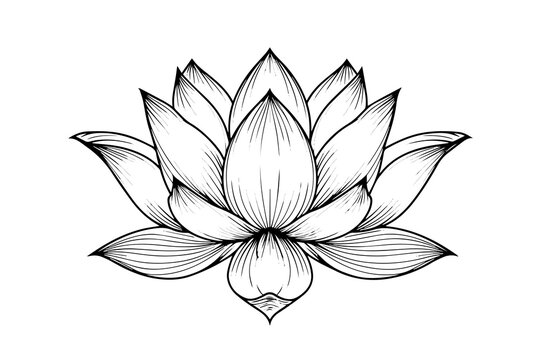
The lotus flower is a popular artistic symbol. It appears in tattoos, paintings, and modern designs. Its meaning adds emotional depth. Artists use it to express transformation. The lotus remains timeless in art.
Lotus Flower Tattoo Meaning
Lotus tattoos symbolize strength, rebirth, and spiritual growth. Many choose it to represent overcoming hardships. Tattoo designs vary by color and style. Each design tells a personal story. Lotus tattoos are meaningful and elegant.
Lotus Flower in Art and Modern Design
The lotus appears in architecture, fashion, and décor. It symbolizes peace and harmony. Designers use it for aesthetic and symbolic value. It blends tradition with modern style. The lotus remains a popular design element.
How to Grow and Care for a Lotus Flower
- Choose a sunny location: Lotus flowers need at least 6–8 hours of direct sunlight daily to bloom properly.
- Use shallow containers or ponds: Plant lotus in water containers or shallow ponds with still water for optimal growth.
- Plant in rich soil: Use nutrient-rich, loamy soil to support strong roots and healthy flowering.
- Maintain water depth: Keep water at a consistent depth of 2–12 inches above the soil depending on the lotus variety.
- Trim dead leaves and flowers: Remove wilted or yellow leaves to encourage new growth and maintain plant health.
- Protect from extreme cold: Move container-grown lotus indoors or provide insulation in colder climates during winter.
Interesting Facts About the Lotus Flower
The lotus flower has many fascinating qualities. Its survival abilities amaze scientists. It has remained unchanged for millions of years. These facts enhance its uniqueness. The lotus is truly extraordinary.
Unique Characteristics of the Lotus Flower
The lotus possesses remarkable traits that set it apart. Its seeds can stay dormant for centuries, while its leaves naturally repel water and dirt. Additionally, its flowers can regulate temperature, making it a botanical marvel.
Why the Lotus Flower Is So Special
Combining resilience and beauty, the lotus thrives in challenging environments yet produces flawless blooms. Symbolizing purity and hope, it inspires people worldwide and continues to be celebrated in art, culture, and spiritual traditions.
Interesting Facts About the Lotus Flower
This ancient plant has remained virtually unchanged for millions of years, demonstrating extraordinary survival skills. Its unique biology and symbolic significance make the lotus an enduring icon of strength, elegance, and inspiration.
FAQ
1. What does a lotus flower symbolize?
The lotus flower symbolizes purity, spiritual enlightenment, rebirth, resilience, and inner peace across many cultures and religions worldwide.
2. Where does the lotus flower grow?
Lotus flowers grow in shallow ponds, lakes, and slow-moving waters, thriving in warm, sunny environments with nutrient-rich soil.
3. What are the medicinal uses of lotus?
Lotus seeds, roots, and leaves are used in traditional medicine to aid digestion, reduce stress, and support overall wellness naturally.
4. What are the different colors of lotus flowers?
Lotus flowers come in white, pink, blue, purple, and red, each representing meanings like purity, enlightenment, wisdom, love, or spiritual growth.
5. Can you eat lotus flowers or roots?
Yes, lotus roots and seeds are edible, often used in soups, teas, salads, and desserts, offering both flavor and nutritional benefits.
Conclusion
The lotus flower is far more than a beautiful plant; it is a powerful symbol of purity, resilience, and spiritual growth. Across cultures, religions, and modern life, it continues to inspire with its meaning and usefulness. From spiritual symbolism to medicinal and artistic value, the lotus holds a unique place in the world. Its ability to rise above challenges makes it a timeless reminder of inner strength and transformation.