

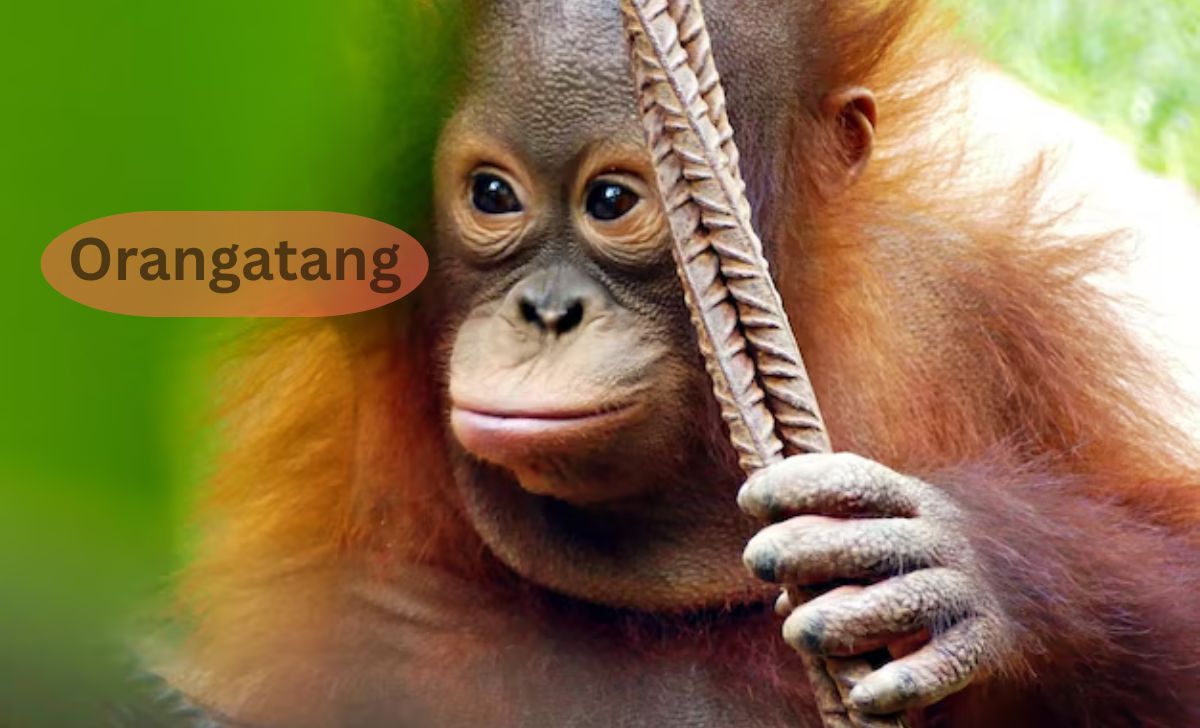
11 Dec Orangatang – Complete Guide to Traits, Habitat & Conservation
The word orangatang is often used mistakenly for orangutan, yet it still widely appears across searches. In this comprehensive guide, we explore everything connected to the orangutan its biology, behavior, threats, and conservation efforts.
This article is crafted to educate readers, correct misconceptions, and spread awareness about one of the world’s most remarkable primates. With detailed sections, human-tone writing, and SEO-aligned structure, this guide provides everything you need to understand these intelligent forest dwellers.
Orangatang guide covering habitat behavior diet threats and conservation. Learn key facts and discover why protecting these intelligent primates matters.
What Is an Orangatang?
Meaning of the Term
The term “orangatang” is a common misspelling of “orangutan,” which comes from the Malay words orang (person) and hutan (forest).
Together, it means “person of the forest.” Although the keyword is misspelled, people still use it online, making it important to address both terms when discussing these primates. The name highlights their human-like intelligence and their strong connection to forest ecosystems.
Difference From Orangutan
While “orangatang” is not a scientific term, “orangutan” refers to the great apes found in Indonesia and Malaysia.
Orangutans belong to the genus Pongo and are known for their reddish-brown fur, long arms, and exceptional problem-solving skills. For SEO purposes, both spellings are relevant, but scientifically, orangutan is the correct terminology.
Origin and Evolution
Historical Background
Orangutans have existed for over two million years, with fossils found across Southeast Asia. In the past, their range stretched far beyond modern boundaries, covering regions in China and mainland Asia.
Historical records show that orangutans were once respected and misunderstood creatures, often seen as mysterious forest beings. Their evolutionary history makes them the world’s second-closest relative to humans after chimpanzees and bonobos.
Evolutionary Development
Over millions of years, orangutans adapted to an arboreal lifestyle. Their long arms, strong limbs, and curved feet evolved to help them navigate dense forests.
Slow reproduction rates also evolved as a survival strategy, matching their peaceful lifestyle and stable forest conditions. Their intelligence evolved to match complex forest environments, relying heavily on memory, observation, and problem-solving.
Physical Characteristics
Appearance and Body Features
Orangutans have long orange-brown fur, broad faces, large bodies, and incredibly flexible limbs. Their arms can stretch up to seven feet, allowing them to travel effortlessly between tree branches. They possess powerful hands and feet with long fingers for gripping. Their facial features vary with age, sex, and species, giving each orangutan a unique appearance.
Gender Differences
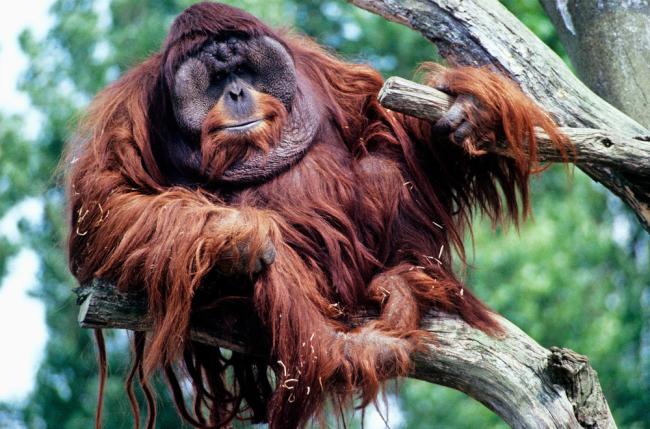
Male orangutans are significantly larger than females and develop cheek pads known as flanges as they mature. These pads, along with a throat sac used for loud calls, make adult males easy to identify.
Females are smaller, lack large facial features, and are primarily responsible for raising young. Both genders are gentle but possess physical strength far greater than humans.
Habitat and Natural Environment
Geographic Locations
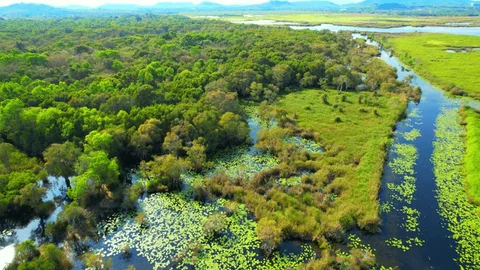
Orangutans live exclusively on the islands of Borneo and Sumatra. These lush Southeast Asian rainforests provide the trees they depend on for shelter, food, and mobility. Each species occupies specific forest areas, ranging from swamp forests to high-canopy rainforests.
Climate Requirements
They thrive in hot, humid climates with year-round rainfall. Dense forests with tall canopies allow orangutans to travel long distances without descending to the ground.
A stable climate ensures rich fruit availability, helping sustain their energy-intensive lifestyles. Habitat disruption directly affects their well-being, making climate preservation crucial.
Behavior and Lifestyle
Social Behavior
Unlike many primates, orangutans are mostly solitary. Adult males roam alone, while mothers travel with their infants. Despite this, they still form loose social networks and interact peacefully when food is abundant. Their interactions involve soft gestures, gentle play, and occasional sharing of fruit.
Communication Patterns
Orangutans communicate through gestures, facial expressions, and long calls. Adult males produce powerful yells that echo through forests to mark territories. Babies communicate through soft squeaks, grunts, and body movements with their mothers. Observations show they understand emotional cues similar to humans.
Diet and Nutrition
Primary Food Sources
Orangutans eat fruits, leaves, bark, insects, and occasionally small animals. Nearly 60% of their diet consists of fruit, especially figs. Their ability to remember fruiting patterns helps them survive seasonal changes and food scarcity.
Feeding Behavior
They use tools, such as sticks to extract insects or break fruit shells. Slow eating helps them absorb nutrients efficiently. Orangutans also drink water collected in tree hollows or from leaves after rainfall. Their feeding habits maintain forest health through seed dispersal.
Reproduction and Lifecycle
Mating and Birth
Female orangutans give birth every 7–9 years—one of the longest birth intervals among mammals. They usually have one baby, which clings to the mother for years. This slow reproductive cycle makes population recovery extremely difficult in threatened habitats.
Growth Stages
Infants stay with their mothers for up to eight years, learning survival skills like climbing and foraging. Juveniles then become independent but still stay close to familiar areas. Full maturity occurs at around 12–15 years, although males may take longer to develop cheek pads.
Major Threats
Human Impact
Deforestation, illegal logging, palm oil farming, and land burning have destroyed large parts of orangutan habitats. Many orangutans lose their homes each year due to forest clearing. Poaching and the illegal pet trade make the situation worse, especially for infants.
Environmental Challenges
Climate change, forest fires, and loss of canopy cover weaken survival conditions. Fragmented forests force orangutans to travel on the ground, making them vulnerable to predators and human conflicts. These challenges push several orangutan species toward critical endangerment.
Conservation and Protection

Global Saving Efforts
International organizations and local governments are actively working to save orangutans. Protected reserves, reforestation projects, and rehabilitation centers help rescue displaced individuals. Conservation teams also monitor forests and prevent illegal encroachment.
How People Can Help
Supporting sustainable palm oil, avoiding illegal wildlife products, donating to conservation programs, and spreading awareness can make a real difference. Small actions, when multiplied globally, help save entire species. Educating communities is one of the most powerful tools.
Interesting Facts About Orangutans
Intelligence and Abilities
Orangutans can learn sign language, use tools, and understand cause-and-effect relationships. They show empathy, solve puzzles, and mimic human actions. Their intelligence is comparable to a young human child.
Tool Usage
They use sticks to extract honey, leaves as umbrellas, and branches to test water depth. Tool-use behavior highlights their remarkable problem-solving ability and adaptability. This skill also proves their advanced cognitive evolution.
FAQ
1: What is an orangatang?
“Orangatang” is a commonly used misspelling of “orangutan,” a highly intelligent great ape native to Asian rainforests known for its reddish fur and arboreal lifestyle.
2: Where do orangutans live?
Orangutans live in the dense rainforests of Borneo and Sumatra, spending most of their lives in high forest canopies where they travel, eat, and build nests.
3: Why are orangutans endangered?
Orangutans are endangered due to deforestation, palm oil plantations, illegal hunting, fires, and habitat loss, all of which drastically reduce their population and survival chances.
4: What do orangutans eat?
Orangutans primarily eat fruits, leaves, bark, insects, and tree shoots, relying heavily on seasonal fruits that provide the nutrients needed for their daily energy.
5: How can we help protect orangutans?
You can help save orangutans by supporting conservation programs, choosing sustainable palm oil products, donating, raising awareness, and encouraging forest protection efforts globally.
Conclusion
Orangutans or “orangatang” as commonly misspelled are among the world’s most intelligent and gentle primates. Their survival depends on forest protection, responsible human choices, and global conservation efforts. These remarkable beings reflect the true beauty of nature, reminding us of our responsibility to protect the planet’s most vulnerable species.
Must Read