

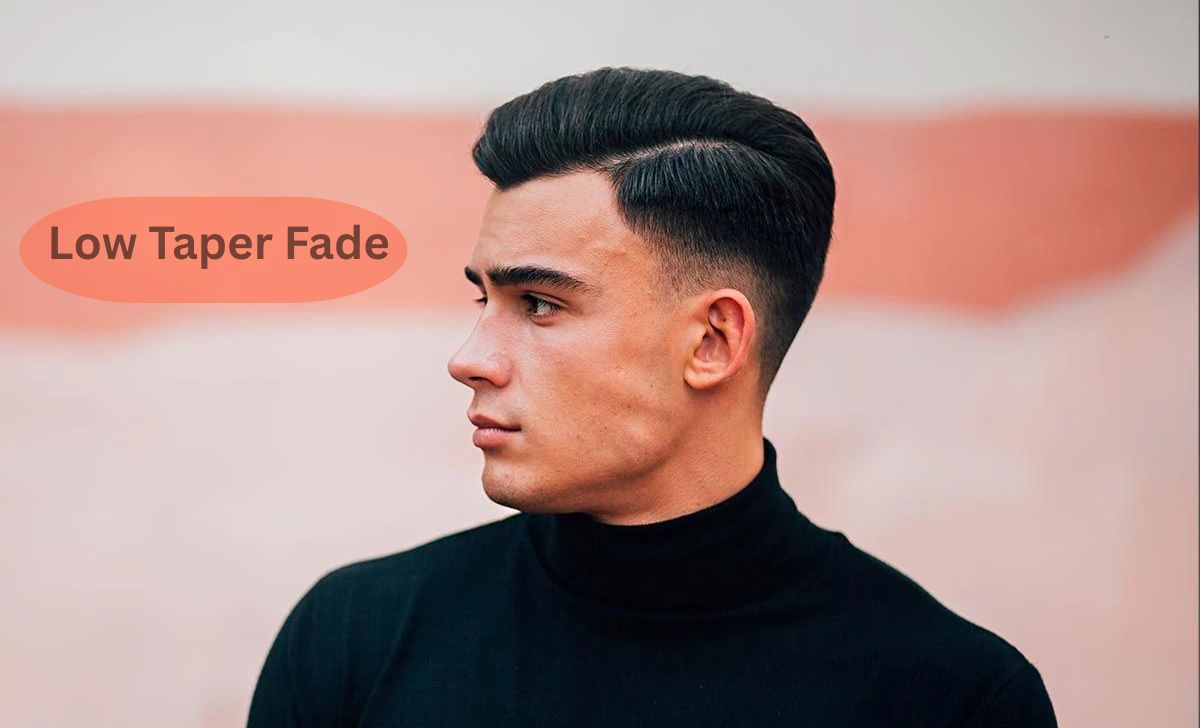
10 Dec Low Taper Fade – The Ultimate Guide to Modern Men’s Hairstyles
The low taper fade is one of the most popular and versatile haircuts for men today. Known for its clean, subtle transition from short sides to longer top hair, this style suits both professional and casual settings. Unlike high fades, the low taper starts just above the ears and neckline, giving a polished and timeless look.
Whether you want a classic, textured, or curly style, the low taper fade allows for endless customization. It’s easy to maintain, enhances facial features, and works with almost every hair type. In this guide, we’ll explore the best low taper fade styles, how to get the perfect cut, maintenance tips, and expert advice to ensure your hairstyle always looks sharp and stylish.
Low taper fade haircut guide: discover styles tips, and maintenance for a sharp, stylish look that works with all hair types and face shapes.
What is a Low Taper Fade?
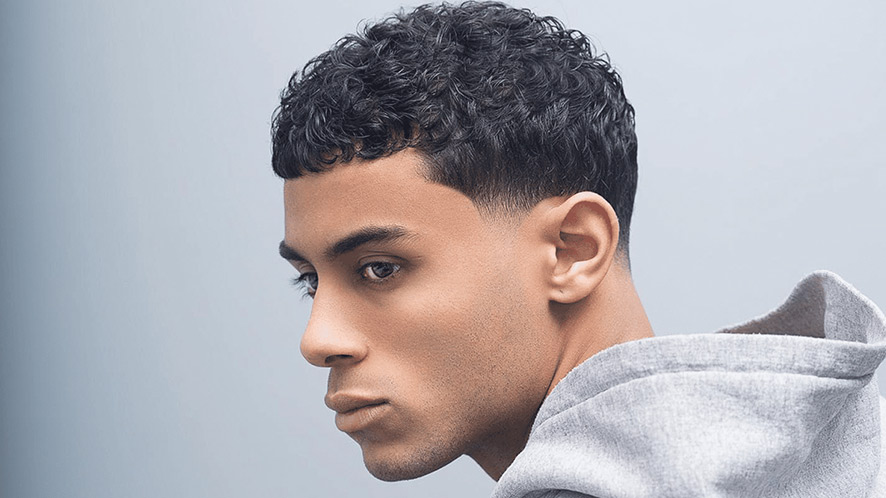
A low taper fade is a popular men’s haircut where the hair gradually shortens near the sides and back, starting just above the ears and neckline. Unlike high fades that start higher on the head, the low taper fade gives a subtle, clean transition from longer hair on top to shorter hair on the sides and back.
This haircut is versatile and works with almost any hair type—straight, wavy, or curly—and can be customized with different textures or part lines. It’s ideal for men seeking a professional, polished look that’s easy to maintain while still appearing stylish and modern.
Key Features
- Smooth, gradual fade starting low on the head
- Longer hair on top for styling flexibility
- Clean neckline and sideburns for a polished finish
- Works for all face shapes and hair textures
Difference Between Low, Mid, and High Taper Fades
The primary difference lies in where the fade begins. A low taper fade starts just above the ears, giving a subtle transition. A mid taper fade starts higher on the head, creating a more noticeable gradient. A high taper fade begins near the temples, offering a bold, edgy look. Choosing the right fade depends on your style preference, face shape, and lifestyle.
Popular Styles of Low Taper Fade
Classic Low Taper Fade
The classic low taper fade is clean and straightforward. It’s perfect for men who prefer a timeless, professional look. This style works with almost any hairstyle on top, including short crops or longer comb-overs. Its low maintenance and sleek appearance make it a staple in barber shops worldwide.
Textured Low Taper Fade
For a more modern and casual look, the textured low taper fade adds volume and movement to the hair on top. Using styling products like pomade or wax enhances the texture, giving a stylish and natural appearance. It works well for straight or wavy hair types.
Curly or Wavy Low Taper Fade
Curly or wavy hair paired with a low taper fade creates a stylish contrast between the short sides and voluminous top. This look emphasizes natural curls and is easy to maintain with the right moisturizers and curl-enhancing products.
Low Taper Fade with Beard
Pairing a low taper fade with a beard creates a balanced and masculine appearance. The fade can be blended into the beard, ensuring a seamless transition from hair to facial hair. This style adds sophistication while keeping a modern edge.
How to Get the Perfect Low Taper Fade
Choosing the Right Barber or Stylist
Finding a skilled barber is crucial for a flawless fade. Look for professionals with experience in precision cutting and attention to detail. Reading reviews, asking for recommendations, or checking portfolios can help ensure your fade turns out perfectly.
Preparing Your Hair for the Cut
Before visiting the barber, wash your hair thoroughly to remove oils and dirt. Decide on the style you want on top and bring reference photos to communicate your vision clearly. This preparation helps your barber understand the exact fade you’re aiming for.
Step-by-Step Fade Process
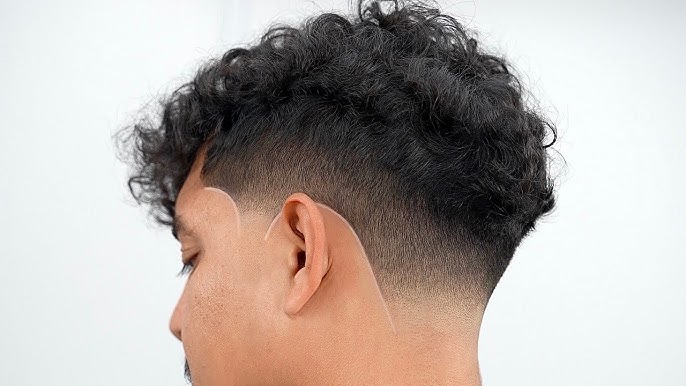
The barber starts by clipping the sides and back gradually shorter, creating a seamless gradient. Scissors and clippers are used to blend the hair on top with the tapered sides. Finishing touches include trimming the neckline and ensuring symmetry on both sides.
Styling Tips After the Cut
Use styling products like pomade, wax, or hair gel to enhance your chosen look. For textured styles, scrunch or tousle the hair lightly. Curly hair benefits from curl creams or leave-in conditioners to maintain bounce and definition.
Maintenance and Hair Care
Daily Hair Care Routine
Wash your hair 2–3 times a week to prevent dryness. Use a lightweight conditioner to maintain softness and manageability. Brushing or combing daily ensures the fade remains sharp and tidy.
Recommended Products for Styling
Pomade, wax, or hair cream works well for textured or classic styles. Curly hair benefits from curl creams or gels to define natural waves. Always choose products based on your hair type to avoid buildup.
How Often to Trim Your Fade
To keep the fade looking fresh, visit your barber every 3–4 weeks. Regular trims prevent the fade from blending too much with the top hair, preserving the sharp, stylish look.
Common Mistakes to Avoid

Uneven Fading or Lines
A poorly executed fade can result in uneven lines or patches. Always choose an experienced barber to avoid these mistakes and achieve a smooth, professional finish.
Choosing the Wrong Fade Height
Selecting a fade that doesn’t suit your face shape can affect your overall look. Low fades are subtle, but if you want a bolder appearance, consider mid or high fades instead.
Neglecting Hair Health
Using too many styling products or skipping conditioning can damage hair. Keep your hair healthy with proper care to maintain the fade’s sharp appearance.
Low Taper Fade for Different Hair Types
Straight Hair:
- Creates a clean, sleek look
- Top hair can be styled with pomade or gel
- Fade enhances sharp lines and edges
Wavy Hair:
- Adds texture and dimension to the hairstyle
- Works well with messy or natural wave styles
- Fade helps control bulk on the sides
Curly Hair:
- Maintains curls on top while keeping sides neat
- Low taper fade prevents a bulky or boxy appearance
- Easy to style with curl-enhancing products
Coily/Kinky Hair:
- Keeps natural texture intact on top
- Low fade creates a modern, clean contrast
- Ideal for short or medium-length curls
Thick Hair:
- Reduces side bulk while keeping top hair manageable
- Fade adds structure to a dense hair type
- Can be paired with texturing techniques
Thin or Fine Hair:
- Creates the illusion of thicker hair
- Fade emphasizes the shape of the haircut
- Top can be styled to add volume
FAQ
1: What is the difference between a low taper fade and a high taper fade?
A low taper fade starts near the ears, offering a subtle look, while a high taper fade starts higher on the head, giving a bold, edgy appearance.
2: How often should I get a low taper fade trimmed?
To maintain a sharp fade, visit your barber every 3–4 weeks, depending on hair growth and style preference.
3: Can I do a low taper fade at home?
It’s possible but challenging. A professional barber ensures precision, even blending, and avoids uneven lines.
4: What products are best for styling a low taper fade?
Pomade, wax, gel, or curl creams work well, depending on hair type and desired style. Choose lightweight products for a natural finish.
5: Does a low taper fade suit all face shapes?
Yes, it’s versatile and works for most face shapes. You can adjust the length on top to complement your features.
Conclusion
The low taper fade is a versatile and stylish haircut that suits all hair types and face shapes. Its clean, gradual fade provides a polished, professional look while allowing flexibility on top for various styles. By choosing the right fade length, maintaining your haircut, and using proper styling techniques, you can achieve a sharp, modern appearance effortlessly. Regular trims and proper hair care ensure your low taper fade always looks fresh and well-groomed.
Must Read