


10 Dec Marketing Fundamentals – Essential Guide to Boost Your Business Growth
Marketing is the lifeblood of every business. Understanding the fundamentals of marketing not only helps businesses attract and retain customers but also ensures they create effective strategies that drive growth.
Whether you’re a beginner trying to learn the ropes or a small business owner aiming to strengthen your marketing skills, mastering the basics is essential.
In this guide, we will cover everything from core concepts to advanced tips, giving you the tools you need to succeed in the ever-evolving world of marketing.
Master marketing fundamentals to grow your business. Learn core concepts strategies, tools, and tips for effective marketing success today.
Core Concepts of Marketing
Marketing begins with a strong understanding of its foundational principles. These core concepts shape the way businesses approach their audience and deliver value.
Understanding the 4 Ps – Product, Price, Place, Promotion

The 4 Ps of marketing Product, Price, Place, and Promotion are the pillars of any successful marketing strategy. A product must solve a problem or fulfill a need, while pricing should reflect its perceived value.
Place refers to the distribution channels, ensuring the product reaches the right audience. Promotion includes all communication strategies to create awareness and persuade customers to take action. A balanced approach to the 4 Ps ensures cohesive and effective marketing campaigns.
Target Audience and Market Segmentation
Understanding who your customers are is vital. Market segmentation divides a broad audience into smaller groups based on demographics, behavior, interests, or geographic location.
By knowing your audience, you can create tailored campaigns that resonate with them, increase engagement, and boost conversions. Targeting the right segment ensures marketing efforts are efficient and impactful.
Branding and Positioning
Branding is how your business is perceived by customers, while positioning determines how you differentiate your product from competitors. Strong branding builds trust, loyalty, and recognition. Positioning clarifies why your product is the best choice for your target audience, which is critical for standing out in competitive markets.
Essential Marketing Strategies and Techniques
Once you understand the fundamentals, applying strategies effectively is the next step.
Basics of Digital Marketing
Digital marketing leverages online channels like websites, search engines, and social media to reach audiences. It allows businesses to engage with customers cost-effectively, track performance, and adjust strategies in real-time. Beginners should focus on understanding SEO, paid advertising, and content creation as the backbone of digital marketing.
Content Marketing and Effective Storytelling
Content marketing focuses on creating valuable information that educates, entertains, or informs your audience. Storytelling helps connect emotionally with customers, making your brand memorable. Blog posts, videos, infographics, and podcasts are powerful tools for conveying messages while establishing authority in your niche.
Social Media Marketing Fundamentals
Social media platforms allow direct engagement with your audience. Consistency in posting, interactive content, and understanding platform-specific trends are key. Social media marketing enhances brand visibility, drives website traffic, and fosters a community around your brand.
Email and Inbound Marketing Essentials
Email marketing remains one of the most effective channels for nurturing leads. Sending personalized, relevant content builds trust and keeps customers engaged. Inbound marketing focuses on attracting customers organically through helpful content rather than interruptive ads, ensuring long-term relationship building.
Understanding Consumer Behavior and Market Research

Knowing your customers’ behavior ensures marketing strategies meet their needs effectively.
Importance of Knowing Your Customers
Customer insights help tailor products, services, and marketing messages to fit their preferences. Understanding buying patterns, motivations, and pain points allows businesses to predict trends and respond proactively, ultimately increasing sales and customer satisfaction.
Tools and Methods for Market Research
Market research can include surveys, focus groups, online analytics, and social listening tools. These methods provide actionable insights into customer preferences, competitor strategies, and market trends. Businesses that leverage research data are better equipped to make informed decisions.
Using Data to Improve Marketing Decisions
Data-driven marketing ensures that campaigns are optimized for maximum effectiveness. Metrics like engagement rate, click-through rate, and conversion rate reveal what’s working and what needs adjustment. By analyzing data, marketers can refine their approach, reduce costs, and achieve better results.
Marketing Metrics and Analytics
Analyzing performance is critical to improving marketing efforts.
Key Performance Indicators (KPIs) in Marketing
KPIs track the success of marketing campaigns. Examples include website traffic, lead generation, social engagement, and ROI. Setting clear KPIs allows businesses to measure progress against goals and make necessary adjustments.
Measuring ROI of Marketing Campaigns
Return on Investment (ROI) is the ultimate metric for marketing success. Calculating ROI involves comparing campaign costs with the revenue generated. High ROI indicates effective strategy, while low ROI signals a need for improvement or new approaches.
Adapting Strategies Based on Analytics
Analytics provide insights that guide future marketing decisions. Understanding patterns, customer behavior, and campaign effectiveness helps businesses pivot strategies, improve targeting, and create more impactful marketing initiatives.
Common Marketing Mistakes to Avoid
Avoiding errors can save time, money, and reputation.
Ignoring the Target Audience
Marketing without understanding your audience often leads to wasted resources and low engagement. Always define your target group and tailor campaigns to their needs.
Inconsistent Branding
Inconsistent messaging or visuals confuses customers and weakens your brand identity. Maintain cohesive branding across all platforms to establish trust and recognition.
Neglecting Performance Tracking
Without tracking metrics, it’s impossible to know if campaigns are successful. Always monitor performance and use insights to improve marketing efforts.
Advanced Tips for Effective Marketing
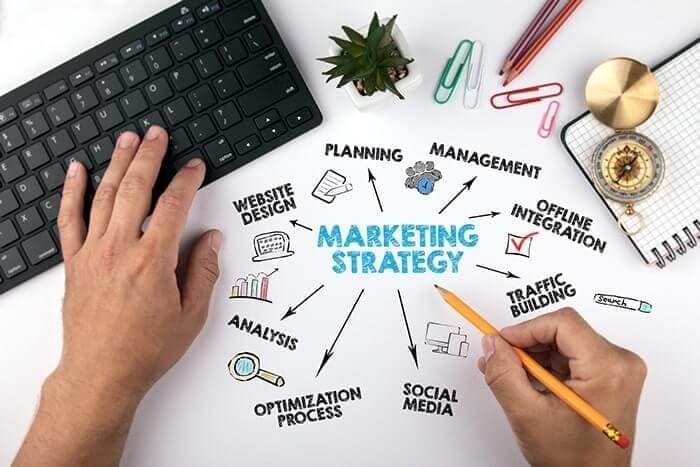
Taking marketing to the next level involves using smart strategies and tools.
Leveraging Automation Tools
Automation platforms streamline repetitive tasks like email campaigns, social media posting, and lead scoring. This saves time and ensures consistency in marketing efforts.
Personalization and Customer Experience
Tailoring content and offers to individual preferences enhances engagement and loyalty. Personalization makes customers feel valued and increases the likelihood of conversions.
Staying Updated with Latest Marketing Trends
Marketing is ever-changing. Following industry blogs, attending webinars, and participating in online communities helps marketers stay ahead of trends, ensuring campaigns remain relevant and effective.
FAQ
1: What are marketing fundamentals?
Marketing fundamentals are the basic principles, including the 4 Ps, target audience understanding, branding, and strategies, which form the foundation for business growth.
2: Why are marketing fundamentals important for businesses?
They help businesses understand their audience, create effective campaigns, boost brand recognition, and achieve measurable results for long-term success.
3: How can beginners learn marketing fundamentals?
Beginners can start with online courses, practical exercises, social media experiments, blogging, and studying digital marketing tools to gain hands-on experience.
4: How do marketing fundamentals improve customer engagement?
By targeting the right audience, delivering relevant content, and using proper branding strategies, marketing fundamentals increase interactions, loyalty, and customer satisfaction.
5: Can small businesses benefit from marketing fundamentals?
Yes, applying marketing basics helps small businesses reach customers effectively, optimize campaigns, build a strong brand, and grow revenue sustainably.
Conclusion
Marketing fundamentals are the building blocks of business success. By mastering the 4 Ps, understanding customer behavior, leveraging digital tools, and avoiding common mistakes, businesses can create strategies that deliver results. Consistent learning and application of these fundamentals ensure sustainable growth and long-term success.
Must Read