

05 Dec Environmental Conservation – Why It Matters and How We Can Protect Our Planet
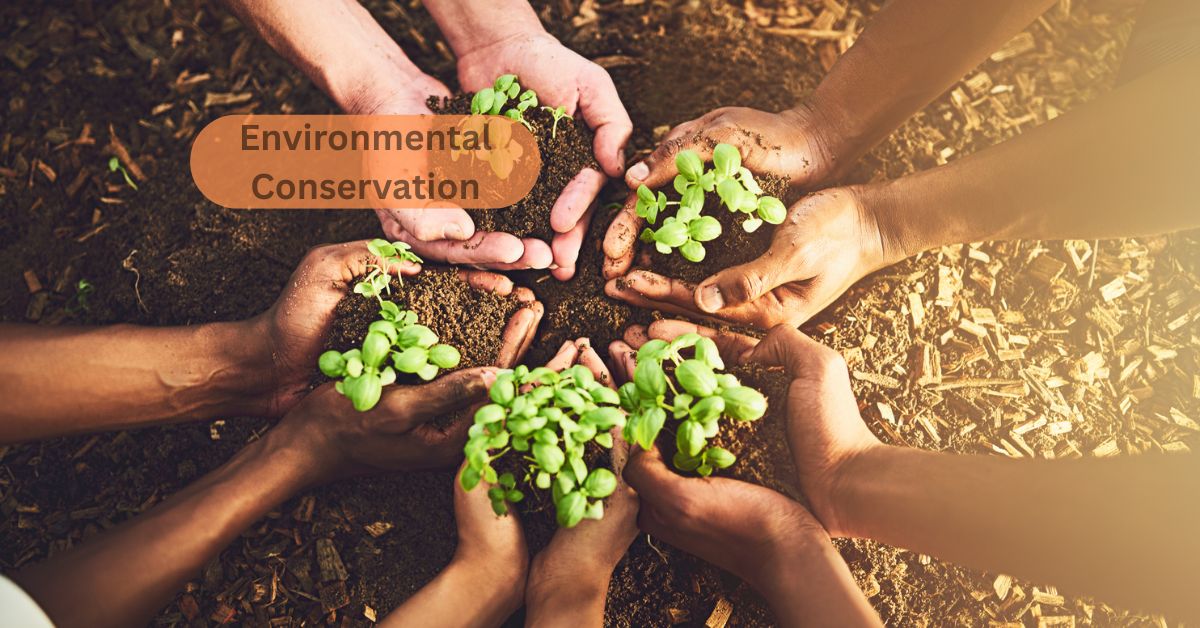
Environmental conservation is the practice of protecting and managing natural resources to maintain ecological balance and ensure a sustainable future. It involves preserving forests, water, wildlife, and air quality while reducing human-induced damage.
Conservation helps combat climate change, protect endangered species, and secure essential resources for future generations.
By understanding its importance, individuals, communities, and governments can take proactive steps to maintain a healthy and thriving planet. The goal is harmony between human progress and environmental sustainability.
Environmental conservation is vital for preserving nature, protecting wildlife, and ensuring sustainable resources. Learn its benefits, methods, and ways to get involved.
Understanding Environmental Conservation in Simple Terms
Environmental conservation refers to the mindful use, protection, and management of natural resources so they remain healthy and sustainable for future generations. It involves taking care of forests, water, air, wildlife, and overall ecosystems.
The goal is to reduce human impact on nature and restore balance where damage has already occurred. Conservation ensures plants and animals can thrive while humans meet their needs responsibly.
It also promotes cleaner living conditions and preserves the natural beauty of the Earth. Overall, it’s about creating harmony between people and the environment.
Why Environmental Conservation Is Essential for Our Future
Environmental conservation plays a crucial role in maintaining the planet’s health and ensuring that future generations inherit a livable world. With growing pollution, deforestation, and climate change, urgent efforts are needed to protect vital resources.
Clean air, fresh water, fertile soil, and stable ecosystems all depend on responsible human actions. Without conservation, global temperatures would rise faster, species would disappear, and natural disasters would become more severe.
Preserving the environment today prevents long-term damage and ensures stability for food, health, and human survival.
Major Areas of Environmental Conservation Today
Environmental conservation covers several major areas that work together to protect the planet. It includes preserving forests, oceans, wildlife, and the atmosphere so that nature can function properly.
Each area faces unique challenges but contributes to global stability. Understanding these categories helps people learn where help is needed the most. Conservation in these areas also encourages global cooperation and community involvement.
With technology, education, and action, these sectors continue to improve environmental conditions.
Land and Forest Conservation
Land and forest conservation focuses on preventing deforestation, promoting tree planting, and managing ecosystems responsibly. Forests provide oxygen, store carbon, and support wildlife, but human activities threaten their survival.
Conservation helps reduce soil erosion, protect water cycles, and maintain biodiversity across vast landscapes. Sustainable farming and controlled logging also protect forests from long-term harm.
Restoring damaged land and planting new trees ensures balance in nature. These efforts create healthier communities and improve environmental resilience.
Water and Marine Conservation
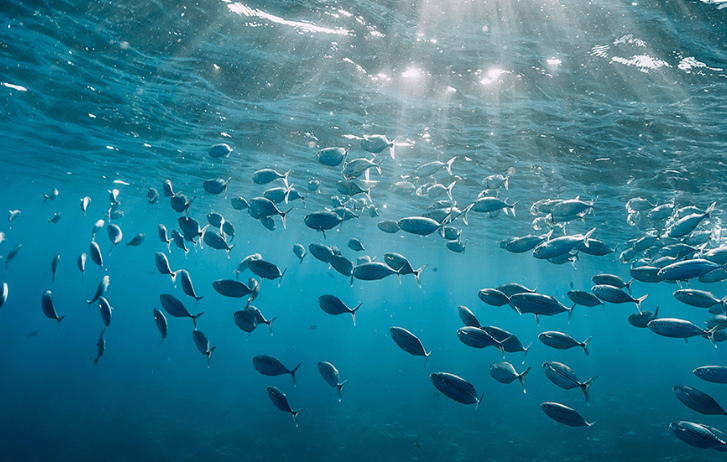
Water and marine conservation protect oceans, rivers, lakes, and groundwater from pollution and overuse. Clean water is essential for drinking, farming, and daily life, yet contamination is increasing worldwide.
Marine conservation also helps preserve coral reefs, fish populations, and underwater ecosystems threatened by plastic waste and climate change. Efforts like reducing toxins, cleaning oceans, and managing fishing practices make a significant impact.
Protecting water sources ensures long-term health for humans and wildlife. It also supports sustainable coastal communities and global food security.
Wildlife and Biodiversity Conservation
Wildlife conservation focuses on protecting animals, plants, and natural habitats so biodiversity can flourish.
Many species are endangered due to habitat destruction, hunting, and climate change. Conservation programs create safe environments and protect endangered animals from extinction.
Biodiversity supports food chains, ecosystems, and scientific discoveries. Preserving wildlife also maintains ecological balance and ensures that natural processes continue smoothly.
Legal protections, sanctuaries, and education are essential parts of this conservation field. Strong biodiversity leads to a healthier, more stable planet.
Climate and Renewable Energy Conservation
Climate conservation aims to reduce carbon emissions and slow global warming through sustainable practices. Renewable energy such as solar, wind, and hydro power—helps lower dependence on fossil fuels. These efforts reduce pollution, improve air quality, and support long-term environmental health.
Climate conservation also includes energy-efficient technologies, eco-friendly transportation, and responsible industry practices.
By shifting to renewable energy, we protect the environment and reduce harmful greenhouse gas emissions. This transition shapes the future of a cleaner and more stable planet.
Leading Causes of Environmental Damage Worldwide
Environmental damage occurs due to human activities like deforestation, industrial pollution, and overuse of natural resources. Rapid urbanization destroys habitats, while factories release harmful chemicals into the air and water.
Plastic waste fills oceans and harms marine life, creating long-term environmental issues. Climate change caused by greenhouse gases accelerates global warming and extreme weather events.
Overfishing and hunting push species toward extinction. These problems grow over time unless strong conservation efforts are implemented. Understanding these causes helps us prevent further environmental decline.
Benefits of Strong Environmental Conservation Practices

Environmental conservation offers benefits that support both nature and human life. It improves air and water quality, making environments healthier for communities. Conservation helps prevent natural disasters by stabilizing ecosystems and reducing soil erosion.
It also boosts biodiversity, allowing plants and animals to thrive in safe habitats. Economic benefits include sustainable tourism, renewable energy jobs, and long-term agricultural stability.
Conservation also enhances quality of life by promoting cleaner, greener surroundings. Protecting nature ensures health, safety, and prosperity for future generations.
Key Challenges Slowing Down Conservation Efforts
Environmental conservation faces challenges such as lack of funding, political instability, and limited public awareness. Many regions struggle to enforce environmental laws due to weak systems or corruption.
Climate change continues to worsen conditions, making conservation more difficult. Human population growth also increases pressure on natural resources. Some communities depend on environmentally harmful activities for income, making change harder.
Misinformation and resistance to new technologies further slow progress. Overcoming these obstacles requires global cooperation, education, and long-term commitment.
Role of Technology in Modern Conservation Solutions
Technology plays a vital role in improving conservation through advanced monitoring systems, renewable energy, and digital tools. Drones and satellite imagery help track deforestation, wildlife movement, and climate shifts.
Artificial intelligence predicts environmental changes and enables faster decision-making. Innovations in water purification, waste recycling, and energy efficiency support sustainable living.
Technology also spreads awareness through online platforms and global networks. These tools empower communities, governments, and organizations to take smarter actions. The fusion of technology and conservation creates long-lasting solutions.
How Individuals Can Actively Support Environmental Conservation
Individuals contribute significantly to conservation by making small changes in daily habits. Simple actions like recycling, reducing waste, and saving water help protect natural resources.
Choosing public transport or energy-efficient appliances reduces carbon footprints. Supporting eco-friendly businesses and local farming strengthens conservation efforts.
People can plant trees, join community projects, or donate to global environmental organizations. Educating others also builds awareness and encourages responsible behavior. Every sustainable choice leads to a healthier environment and inspires long-term change.
Popular Global Conservation Projects and Organizations
Around the world, numerous organizations work to protect the environment through research, activism, and public awareness. Groups like WWF, Greenpeace, and Conservation International lead large-scale conservation projects.
They focus on saving endangered species, restoring forests, and reducing pollution. Global initiatives such as the Paris Climate Agreement also unite nations to fight climate change.
Local communities participate through beach clean-ups, tree planting, and wildlife protection efforts. These projects create opportunities for people to get involved and support meaningful environmental change. Together, they drive a global movement for sustainability.
Future Outlook – What Environmental Conservation Will Look Like in the Coming Years
The future of environmental conservation will rely heavily on technology, global cooperation, and renewable energy systems. More countries will shift to sustainable living, eco-friendly cities, and zero-waste lifestyles.
Climate awareness is increasing, encouraging new laws and environmentally responsible behavior. Conservation programs will grow stronger, protecting more ecosystems and endangered species.
Digital tools will track environmental damage in real-time, enabling faster solutions. As younger generations become more conscious, community-driven conservation will expand. The future promises innovative approaches to creating a cleaner planet.
FAQ
1. What is environmental conservation and why is it important?
Environmental conservation involves protecting natural resources to maintain ecological balance, prevent species loss, and secure a sustainable future for humans and wildlife.
2. What are the main types of environmental conservation?
Key types include land and forest conservation, water and marine protection, wildlife and biodiversity preservation, and climate-focused renewable energy initiatives.
3. How can individuals contribute to environmental conservation?
People can conserve water, recycle, reduce energy usage, plant trees, support eco-friendly products, and participate in community environmental initiatives.
4. What challenges hinder environmental conservation efforts?
Challenges include pollution, deforestation, climate change, lack of awareness, political instability, insufficient funding, and overexploitation of natural resources.
5. How does technology help in environmental conservation?
Technology aids conservation through satellite monitoring, drones, AI for predicting environmental changes, water purification, waste management, and renewable energy solutions.
Conclusion
Environmental conservation is critical for the survival of both humans and wildlife. Protecting natural resources, reducing pollution, and promoting sustainable practices ensures a balanced ecosystem and a healthier future. By adopting responsible habits, supporting global initiatives, and leveraging technology, we can combat environmental challenges effectively. Every action counts, making conservation a shared responsibility for generations to come.
Must Read