

04 Dec Strands – Meaning, Uses & Why the Term Is Trending Today
Strands has quickly become one of the most engaging and intellectually stimulating puzzle experiences, attracting players who enjoy wordplay, strategy, and daily mental challenges.
Its unique format blends creativity with logic, encouraging users to explore connections between words in a refreshing and innovative way.
Unlike traditional puzzles, Strands offers a dynamic experience where each round feels thoughtfully crafted and deeply interactive. Whether you’re a casual puzzle lover or someone who enjoys advanced brain-teasing games, Strands delivers a perfect balance of difficulty and enjoyment.
Its clean design, clever mechanics, and growing global community make it a standout addition to the modern puzzle landscape. As its popularity continues to rise, Strands is proving itself to be more than a game; it’s a daily ritual for thousands seeking a smarter way to sharpen their minds.
Strands is a trending term with multiple modern meanings. Discover what strands are, how they’re used today, and why the keyword is gaining massive online popularity.
What Are Strands and Why the Term Is Trending?
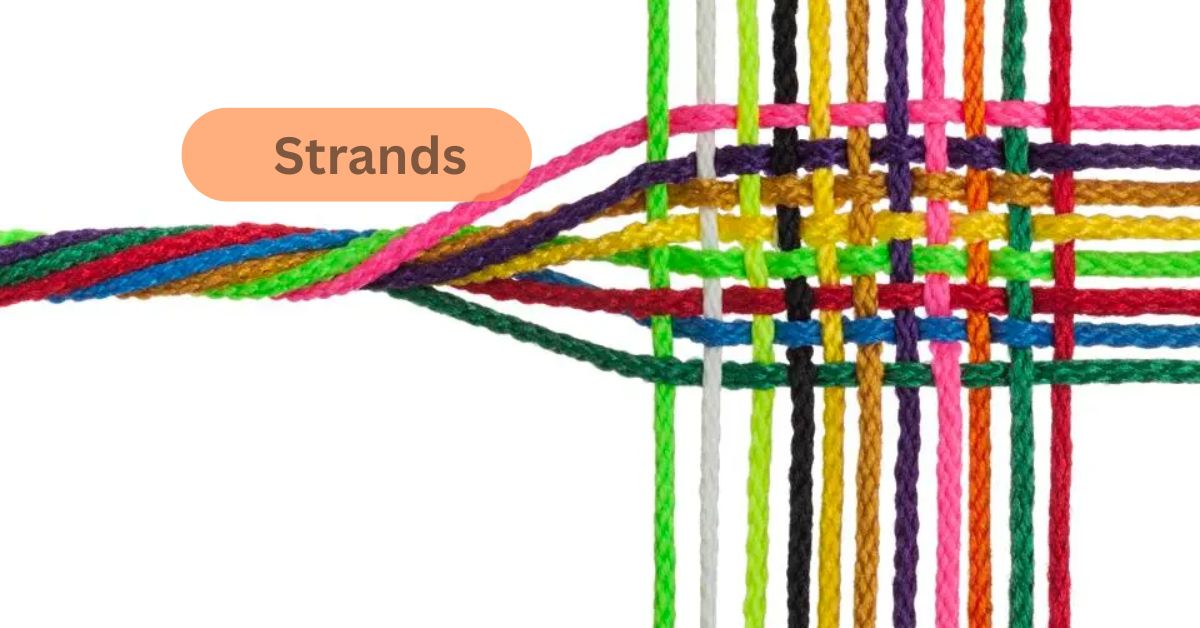
Strands refers to thin, thread-like pieces or elements that come together to form something meaningful. This can be seen in physical objects like hair, fabric, or rope, but the term is also used metaphorically.
It has started trending because various industries use it to describe ideas, connections, or grouped elements. As search behavior shifts, more people want to understand how strands apply beyond the traditional meaning.
Different Meanings of Strands in Modern Usage

In modern usage, strands can refer to physical fibers, digital lines of data, groups of content, or even educational categories. The flexibility of the term makes it widely used across different conversations, especially online.
For example, hair strands describe physical fibers, while data strands can represent information layers. This diversity of meaning is one reason why the keyword “strands” continues to rise in popularity.
How Strands Apply in Technology and Digital Platforms
- Strands inspire the development of intelligent word-based algorithms used in search engines, content filters, and semantic analysis tools.
- They help enhance AI-driven natural language processing models by teaching machines to recognize deeper word relationships and contextual meanings.
- Digital learning platforms use Strands-like puzzles to improve memory, vocabulary, and cognitive skills in an interactive and engaging format.
- Gaming apps adopt Strands mechanics to create daily challenges, reward systems, and community-based leaderboards.
- Tech companies use Strands-style categorization patterns to refine data organization, making information retrieval faster and more efficient.
- Social platforms integrate Strands-inspired mini games to boost user engagement, retention, and session time.
- App developers leverage Strands logic structures to design smarter recommendation engines that identify patterns in user behavior.
Strands in Daily Life – Simple Examples for Easy Understanding
In everyday life, you can find strands in many things you interact with regularly. A strand of hair, a strand of fabric, or even a strand of wire all follow the same idea of being long and thin.
When used in communication, strands can refer to small pieces of information or ideas that connect to form bigger concepts. These simple examples make it easier to understand why the term feels familiar yet widely adaptable.
Why Strands Matter in Today’s Fast-Paced Digital World

As digital spaces grow, people need clearer ways to organize information. The concept of strands helps simplify complex topics by breaking them into smaller, understandable parts.
In education, communication, and technology, strands make learning and processing information easier. They also help users understand structured content in apps, games, and online tools, making the term highly relevant in today’s fast-moving digital environment.
Common Misunderstandings About the Word ‘Strands’
Many people assume that strands refer only to physical fibers, such as hair or thread. However, the term has expanded far beyond this narrow meaning. Another misconception is that strands apply only to science-related topics.
In reality, the term is widely used in entertainment, education, digital products, and even gaming. Understanding these broader applications helps avoid confusion and allows users to use the word correctly in different contexts.
How Search Trends Show Rising Interest in Strands
Search engines show a growing number of queries related to the keyword “strands,” especially as more platforms adopt the term. People search for meanings, examples, puzzles, games, and digital uses connected to strands.
This rise is also influenced by the increasing popularity of word games and apps using this term. As a result, the keyword continues to gain attention across various search categories.
Benefits of Understanding the Concept of Strands
- Enhances pattern recognition and analytical thinking skills.
- Improves memory retention by linking related concepts efficiently.
- Helps organize complex information into manageable sections.
- Encourages structured thinking and problem-solving abilities.
- Boosts creativity by connecting ideas in innovative ways.
- Supports better decision-making in educational and professional contexts.
- Improves navigation and understanding of digital platforms and data systems.
- Strengthens strategic thinking for puzzles, games, and interactive learning.
Popular Uses of the Word Strands Across Industries

Many industries use the word strands to simplify their terminology. In education, strands represent learning categories. In science, they refer to DNA or fibers. In technology, strands can describe data lines or coded structures.
Entertainment platforms use the term for themes or content groups. These industry-wide uses show how the word strands has become universal and flexible in meaning.
Strands in Media, Entertainment, and Social Culture
- Structure episodic narratives in TV shows and streaming series, linking plotlines and characters.
- Enhance social media engagement by connecting trending topics, hashtags, and user interactions.
- Inspire puzzle mechanics, challenges, and story progression in gaming and interactive entertainment.
- Connect cultural trends across music, fashion, art, and online communities.
- Help creators design cohesive content strategies that resonate with audiences.
- Improve discoverability of content by linking related topics and ideas.
- Encourage audience participation and long-term engagement through interconnected storytelling.
Strands in Education and Learning Frameworks
In education, strands help divide learning into manageable sections. Teachers use strands to organize subjects like language, science, and mathematics into smaller topics. This makes it easy for students to understand the structure of their course material.
Educational institutions continue using strands because the method improves clarity, reduces confusion, and makes learning more efficient.
Future Role of Strands in Technology and Online Trends

As technology continues to evolve, strands will likely play an even larger role in digital organization. From AI systems to advanced learning tools, strands will help break complex structures into simpler components.
The rise of interactive apps and puzzle-based platforms also suggests that the keyword will remain popular. With growing digital dependency, the role of strands will expand across multiple fields.
Is the Term ‘Strands’ Here to Stay? Expert Insights
Experts believe that strands will remain relevant due to its flexibility and wide applicability. The term can easily adapt to new industries, digital platforms, and global trends.
More creators, educators, and developers are using the concept to build structured, user-friendly systems. Because of this continuous growth, strands is expected to remain a strong keyword in search engines and everyday language.
FAQ
1. What does the word “strands” mean today?
Strands refers to thin pieces or grouped elements in physical, digital, and educational contexts. Its modern usage covers data, ideas, content categories, fibers, and structural parts.
2. Why is the keyword “strands” trending online?
The keyword strand is trending because online platforms, apps, and educational systems use it to explain grouped information, digital threads, story elements, and interactive puzzle concepts.
3. Are strands used only for physical objects like hair or rope?
No, strands now apply to digital content, learning topics, storyline threads, and data structures. The meaning has expanded far beyond physical fibers or materials.
4. How are strands used in technology and digital tools?
In tech, strands represent data lines, coded structures, content groups, and interactive elements. They help simplify complex systems into easy, understandable parts for users.
5. Why is understanding strands important in modern learning?
Understanding strands helps students and users grasp organized topics, structured information, and layered concepts more easily. It improves clarity when navigating digital or educational systems.
Conclusion
Strands is a simple yet powerful term with meanings that reach far beyond its traditional definition. Whether used in everyday life, digital platforms, education, or technology, it helps describe structured elements that connect to form something larger. As online trends grow, strands will continue playing a major role in how information is explained and understood. Its rising popularity shows that the term is here to stay.
Must Read